About MUJIThree Principles in ManufacturingAbout the Advisory BoardProduct ArchivesArchivesNewsOur BusinessesMUJI BusinessesProduct Development and RetailAccommodationsFood ServicesCommunity EngagementArchitecture and Spatial DesignOther BusinessesIDÉE BusinessesCorporate InformationMessage from the PresidentOur Corporate PurposeThe Journey of Ryohin KeikakuCorporate ProfileLocationManagementGroup CompaniesThe Ryohin Keikaku Group by the NumbersOur HistoryStore Opening DataAwardsArchivesArticlesInvestor RelationsIR NewsLatest MaterialsIR CalendarMessage to Individual InvestorsIf you Become a Shareholder...EventsShareholders Special Benefit ProgramsCompany InformationManagement PolicyCorporate GovernanceIR PolicyFinancial InformationSummary of Financial ResultsFinancial HighlightsMonthly Sales FlashCredit Ratings and BondsStock InformationBasic Stock InformationStock Price InformationShareholder StatusGeneral Meeting of ShareholdersDividends / Shareholder ReturnsAnalyst CoverageArticles of Incorporation電子公告Tax PolicyIR LibraryLatest IR MaterialsConsolidated Financial ResultsData BookFinancial Results BriefingSecurities ReportConvocation Notice and Reports of Shareholders MeetingIntegrated ReportIR Briefing SessionDisclaimerIR registrationIR FAQContact us regarding IRSustainabilityIntegrated ReportESG DataMessage from the PresidentRyohin Keikaku and SustainabilityBasic Policy and ESG Management StructureMaterial Issues and IndicatorsOur PoliciesOur Approach to Product DevelopmentTopicsSustainability NewsRespect for the EnvironmentEnvironmental ManagementResponse to Climate ChangeResource CirculationThe "Design for Circularity" Product SeriesWaste ManagementWater Resource ManagementChemical ManagementBiodiversityRaw Material ProcurementEngagement with SocietyRespect for Human RightsHuman Rights Policy and Internal FrameworkHuman Rights Due DiligenceGrievance MechanismRespect for ColleaguesHuman Capital StrategyWorkplace Safety and Employee HealthMaintaining a Positive Work EnvironmentRespect for DiversityHuman Resource Development and Career DevelopmentCo-Owned Management and EngagementBasic Policy on Harassment from CustomersSupply Chain ManagementCode of Conduct for Production PartnersMonitoring Production PartnersList of Production PartnersSupplier HotlineIndirect ProcurementCustomer Safety and Peace of MindCustomer FeedbackQuality and SafetyFood-Related Responsibilities to CustomersAs a Community Center Activities at StoresRegions and CommunitiesSocial Impact AssessmentGovernancePublic Interest and People-Centered ManagementStakeholder EngagementCorporate Governance Policy and SystemAssessment of Effectiveness of the Board of DirectorsInternal ControlComplianceRisk ManagementInformation Security and Protection of Personal InformationParticipating in InitiativesExternal EvaluationsDonations and AssistanceTopRecruitOnline StoreContactメインナビゲーションメニューを閉じるメニューを開くAbout MUJIThree Principles in ManufacturingAbout the Advisory BoardProduct ArchivesArchivesNewsOur BusinessesMUJI BusinessesProduct Development and RetailAccommodationsFood ServicesCommunity EngagementArchitecture and Spatial DesignOther BusinessesIDÉE BusinessesCorporate InformationMessage from the PresidentOur Corporate PurposeThe Journey of Ryohin KeikakuCorporate ProfileLocationManagementGroup CompaniesThe Ryohin Keikaku Group by the NumbersOur HistoryStore Opening DataAwardsArchivesArticlesInvestor RelationsIR NewsLatest MaterialsIR CalendarMessage to Individual InvestorsIf you Become a Shareholder...EventsShareholders Special Benefit ProgramsCompany InformationManagement PolicyCorporate GovernanceIR PolicyFinancial InformationSummary of Financial ResultsFinancial HighlightsMonthly Sales FlashCredit Ratings and BondsStock InformationBasic Stock InformationStock Price InformationShareholder StatusGeneral Meeting of ShareholdersDividends / Shareholder ReturnsAnalyst CoverageArticles of Incorporation電子公告Tax PolicyIR LibraryLatest IR MaterialsConsolidated Financial ResultsData BookFinancial Results BriefingSecurities ReportConvocation Notice and Reports of Shareholders MeetingIntegrated ReportIR Briefing SessionDisclaimerIR registrationIR FAQContact us regarding IRSustainabilityIntegrated ReportESG DataMessage from the PresidentRyohin Keikaku and SustainabilityBasic Policy and ESG Management StructureMaterial Issues and IndicatorsOur PoliciesOur Approach to Product DevelopmentTopicsSustainability NewsRespect for the EnvironmentEnvironmental ManagementResponse to Climate ChangeResource CirculationThe "Design for Circularity" Product SeriesWaste ManagementWater Resource ManagementChemical ManagementBiodiversityRaw Material ProcurementEngagement with SocietyRespect for Human RightsHuman Rights Policy and Internal FrameworkHuman Rights Due DiligenceGrievance MechanismRespect for ColleaguesHuman Capital StrategyWorkplace Safety and Employee HealthMaintaining a Positive Work EnvironmentRespect for DiversityHuman Resource Development and Career DevelopmentCo-Owned Management and EngagementBasic Policy on Harassment from CustomersSupply Chain ManagementCode of Conduct for Production PartnersMonitoring Production PartnersList of Production PartnersSupplier HotlineIndirect ProcurementCustomer Safety and Peace of MindCustomer FeedbackQuality and SafetyFood-Related Responsibilities to CustomersAs a Community Center Activities at StoresRegions and CommunitiesSocial Impact AssessmentGovernancePublic Interest and People-Centered ManagementStakeholder EngagementCorporate Governance Policy and SystemAssessment of Effectiveness of the Board of DirectorsInternal ControlComplianceRisk ManagementInformation Security and Protection of Personal InformationParticipating in InitiativesExternal EvaluationsDonations and AssistanceTopRecruitOnline StoreContactメインナビゲーションメニューを閉じるメニューを開く
Ryohin Keikaku is promoting the evolution of MUJI stores throughout Japan as local community centers. To support that effort, it is important for every staff member to think about how they can benefit the customers right in front of them, and act. Putting people at the heart of our business and promoting the autonomous growth of staff will lead to high-quality and independent store management that benefits local customers. This will be a driving force for sustainable business growth.
Creating Stores Where People Do the Selling
Guided by our belief in putting people at the heart of our business, and viewing profit as an outcome, not the goal, we have been creating an organizational culture of proactiveness and independence through our shift to a way of doing business that values autonomy, and through efforts to strengthen internal communication. We are also continuing to take steps to ensure the number of store employees is enough. Based on this corporate culture and our organizational structure, we will further accelerate independent store management in which staff at each individual store become familiar with the local area, and create profit/loss statements and business development plans based on the store’s unique characteristics to meet the needs and expectations of its customers. Specifically, based on the slogan “People do the selling,” we are strengthening training in specialized skills to enable store staff to acquire skills and product knowledge on their own so they can engage in customer service work with enthusiasm. We are promoting skill development for positions including health and beauty (H&B) advisors, who have specialized skills in skin care products and cosmetics, interior advisors, coffee instructors, and visual merchandising1 specialists. In addition, we are expanding training in sales and inventory planning, personnel planning, and training of subordinates to give employees the skills needed for independent store management and operations. We are also working to establish a development trainer system aimed at creating teams where members teach and learn from one another.
1. Visual merchandising is the practice of creating sales floors that attract and motivate customers to make a purchase.
Initiatives at MUJI Stores Aiming to Serve as Community Centers
We want to have a positive impact on each region by operating stores that serve as community centers for their area and address local issues in collaboration with local stakeholders. In particular, we conduct store-initiated activities in the areas of environmental consideration, disaster prevention, food and agriculture, regional revitalization, and traditional culture. Through dialogue with people in communities we serve, our store activities reflect input from local residents.
Community Market Events: Revitalizing Communities
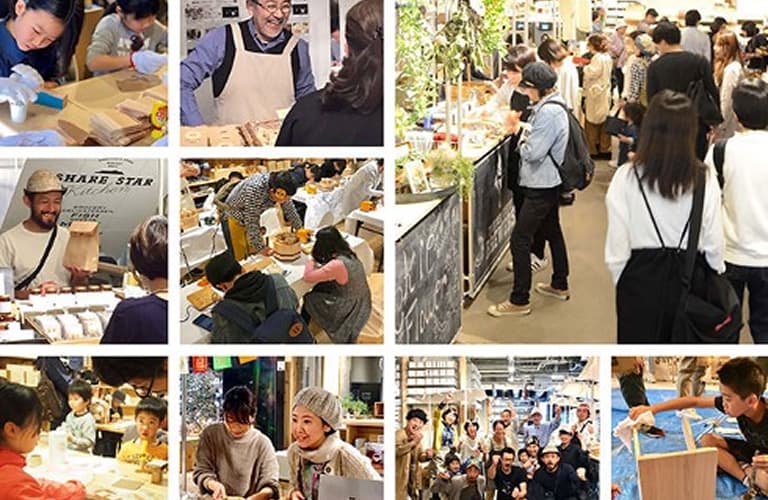
The Community Market, based on the concept of “connecting people, connecting communities,” is a market-type event held on an irregular basis at MUJI stores throughout Japan. It is planned and operated together with local residents. It may include a variety of activities, including stalls selling local foods, specialty products and handicrafts, as well as local social events. We are creating events that can be enjoyed by people of all ages, and where local residents can rediscover the charms of their region and connect with each other.
Workshops and Hands-On Events: Experiencing Tradition and Culture
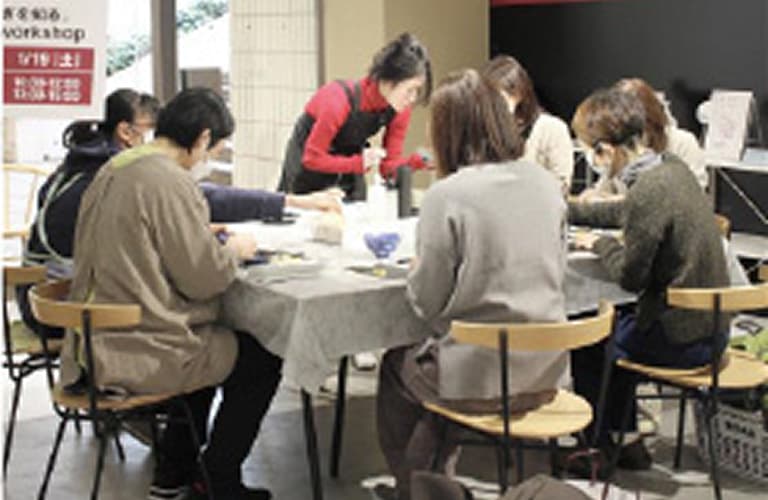
MUJI stores throughout Japan hold workshops and hands-on events that people sign-up for in advance. Individuals and organizations that are active in the community are invited as instructors for a wide range of hands-on events, including traditional handicrafts and arts & crafts workshops as well as cooking classes. We will continue to strengthen these initiatives so that MUJI stores can serve as venues for the activities of people in the community, and provide opportunities for community members to experience tradition and culture.
Town Hall Meeting Events: Dialogue with People in the Local Community
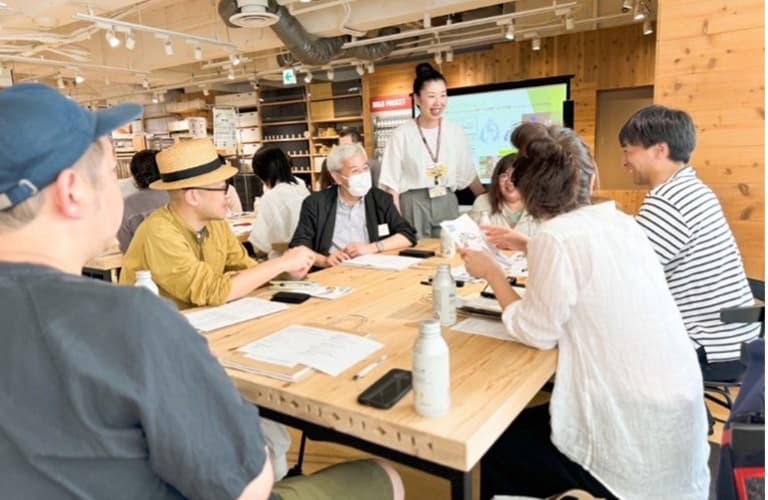
Our stores are important places for dialogue with customers and local residents. Since April 2024, we have further deepened those efforts by holding Town Hall Meeting events with a focus on local businesses in a small group format. These events are planned and hosted by the employees of each store, mainly at large stores. Local residents and business operators are invited, and we not only give them a deeper understanding of our business activities by presenting the Company’s direction and the initiatives of each store, but also listen to what they want their community to be, and what they expect of MUJI. This leads to business activities more firmly rooted in the community.
Collecting and Recycling Materials: Achieving Circularity
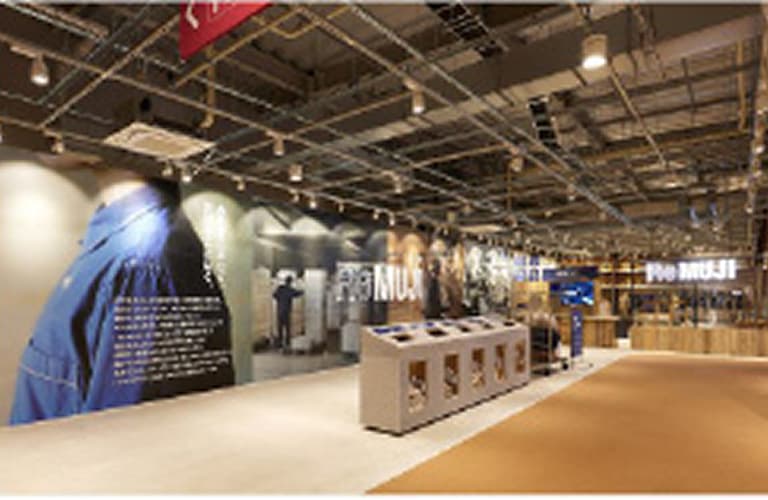
Ryohin Keikaku is working together with its stakeholders to achieve a circular society. At MUJI stores, certain products that are no longer needed are collected from customers for reuse or recycling to extend their useful lives. The products collected are recycled as raw materials, or are reused or upcycled for sale as ReMUJI products. In addition, some stores hold the Mottainai Market, where used and like-new furniture and other products that might otherwise be thrown away, even though they are still very usable, are instead sold to customers at bargain prices. Items sold include products that were undeliverable to customers due to scratches, stains or other cosmetic defects, and products that were returned after opening.
Open MUJI: Promoting Community Interaction
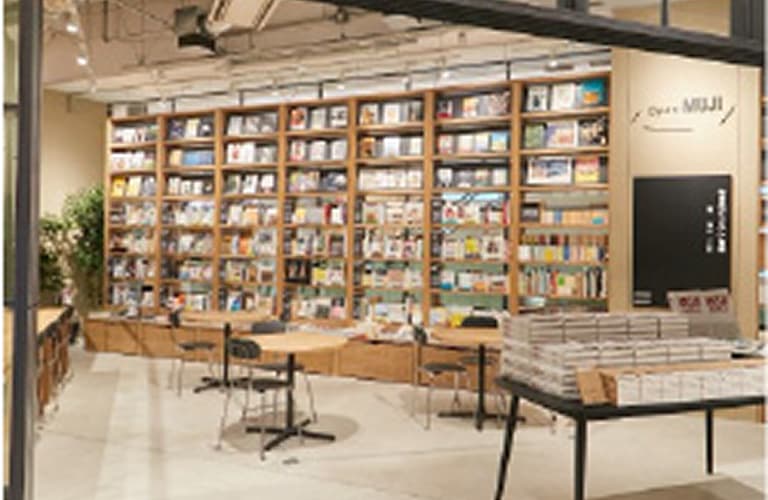
At stores that serve as bases in their communities, Open MUJI is set up as a place for workshops, talk events and exhibitions. The goal is to make it a space for people-to-people exchanges and for thinking about “a truthful and sustainable life for all” through various local activities.
ITSUMO MOSHIMO Caravan: Always Ready for Emergencies
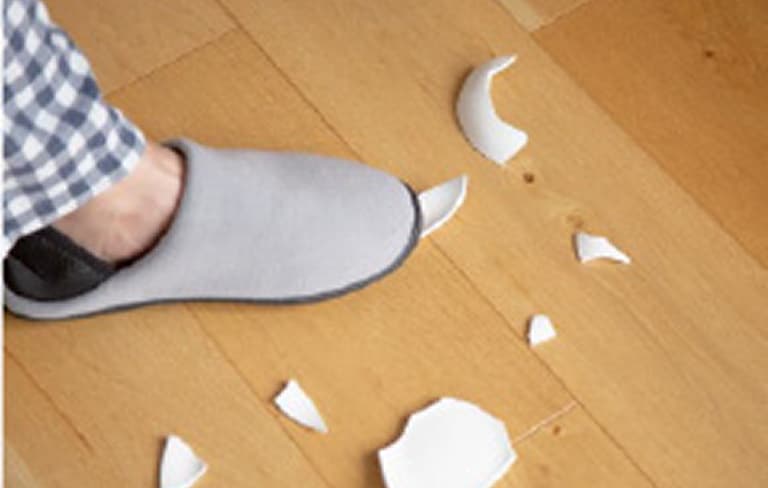
ITSUMO MOSHIMO disaster protection slippers with heels
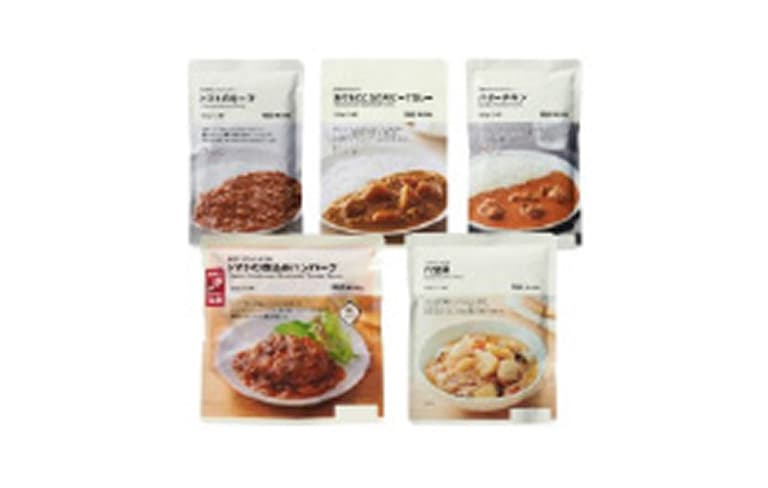
“Always ready for emergencies”—that is the concept behind ITSUMO MOSHIMO, a project aimed at raising the disaster awareness of society as a whole by incorporating preparedness into everyday life. We develop everyday household goods and food products designed to be useful not only in daily life but also in times of disaster. For example, ITSUMO MOSHIMO disaster protection slippers with heels are a product that can be used any time. However, to protect feet during an evacuation, they have a protective sheet on the insoles that prevents nails or broken glass from piercing the slippers. In addition, we sell a Rolling Stock Set, which allows customers to select five products to use as rolling stock (emergency food supplies that are regularly used and replenished) from among popular MUJI retort pouch foods. We also conduct educational activities that are open to people of all ages, including disaster prevention workshops and events held in collaboration with local governments. By connecting communities, businesses and governments without any boundaries, we are helping to enhance the disaster preparedness of whole regions.
Dining Out and Food and Agriculture: Revitalizing Regions Through Food
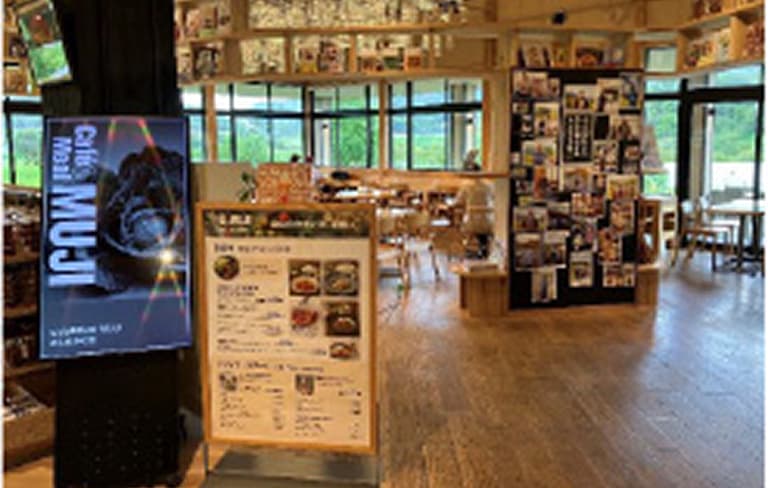
Café&Meal MUJI Minnaminosato
MUJI AEON Mall Sakai Kitahanada
We are engaged in a variety of initiatives aimed at revitalizing regions and communities through food. Café&Meal MUJI, a restaurant that operates in all regions of Japan, offers meals, desserts and drinks that make generous use of local and seasonal food ingredients, allowing guests to enjoy the natural flavor of the ingredients. By using traditional vegetables and specialty ingredients unique to each region, the restaurant aims to link producers with customers and provide more information about the places where the items come from, further paving the way for the revitalization of the region. In some stores, we have created community spaces where we offer freshly brewed coffee made from ground beans, as well as original ice cream flavors developed in collaboration with local ice cream makers. We will continue to work in collaboration with local communities to provide unique, locally inspired menu items as we develop community spaces that are truly needed by the people in each region.
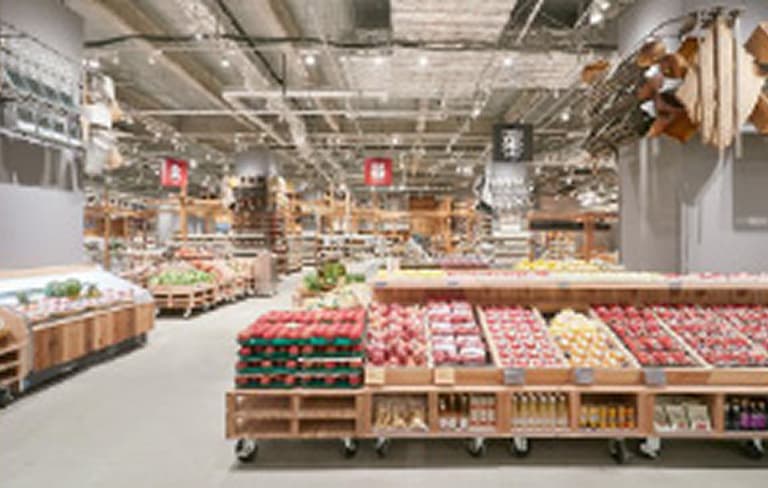
In addition, certain stores carry perishable foods (vegetables, fruits, meat, seafood, etc.) that are sent directly from the farm. Our goal is not simply to be a place to buy food. Through connections and exchanges with producers and farms, we want to be a place that inspires customers to take a fresh look at the relationship between food and people.
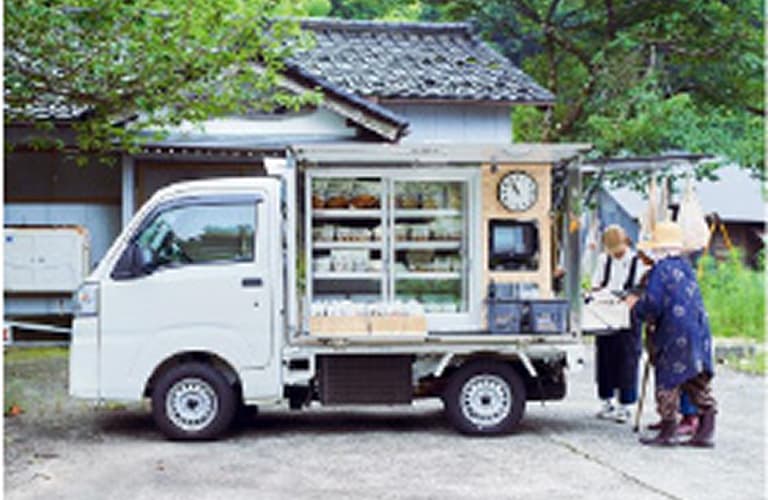
Going to customers ourselves is a new approach for MUJI. In the summer of 2020, we started a mobile sales service in the mountainous areas of Joetsu City, Niigata Prefecture and Sakata City, Yamagata Prefecture. Through the sale of MUJI products, we hear about the difficulties local residents face in their daily lives, and consider ways to solve them. We will continue to build connections among people through our business in order to contribute to the realization of sustainable communities.
Mokuiku Area: A Place to Enjoy with Children
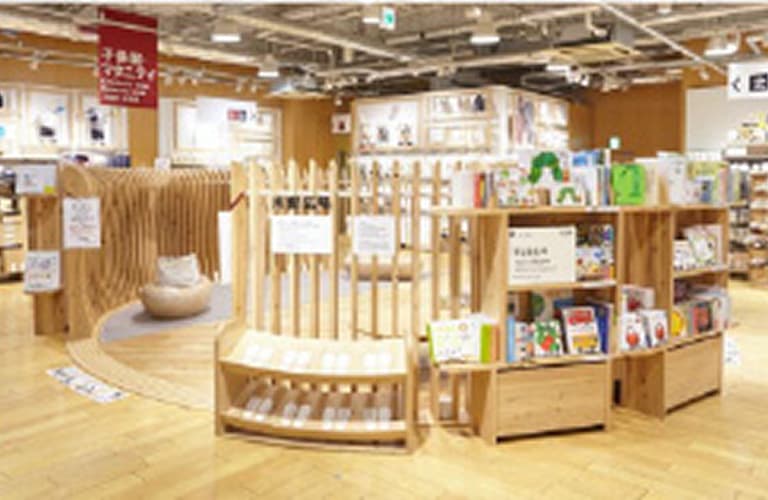
Mokuiku Area was established at some MUJI stores as a place for parents and children to play while shopping. It began from our wish for children to experience the importance and beauty of wood in a play area filled with the warmth of wood. In April 2013, Ryohin Keikaku announced its support for the Mokuiku activities promoted by the Tokyo Toy Museum in Shinjuku Ward, Tokyo, and signed the Wood Start Declaration to carry out activities together with the museum. These activities are designed to convey the importance and warmth of wood to children.
Wood Start Declaration
We operate the Mokuiku Area, which is made of wood primarily from domestically sourced lumber.
We also hold events such as the Mokuiku Caravan, a mobile toy museum.