About MUJIThree Principles in ManufacturingAbout the Advisory BoardProduct ArchivesArchivesNewsOur BusinessesMUJI BusinessesProduct Development and RetailAccommodationsFood ServicesCommunity EngagementArchitecture and Spatial DesignOther BusinessesIDÉE BusinessesCorporate InformationMessage from the PresidentOur Corporate PurposeThe Journey of Ryohin KeikakuCorporate ProfileLocationManagementGroup CompaniesThe Ryohin Keikaku Group by the NumbersOur HistoryStore Opening DataAwardsArchivesArticlesInvestor RelationsIR NewsLatest MaterialsIR CalendarMessage to Individual InvestorsIf you Become a Shareholder...EventsShareholders Special Benefit ProgramsCompany InformationManagement PolicyCorporate GovernanceIR PolicyFinancial InformationSummary of Financial ResultsFinancial HighlightsMonthly Sales FlashCredit Ratings and BondsStock InformationBasic Stock InformationStock Price InformationShareholder StatusGeneral Meeting of ShareholdersDividends / Shareholder ReturnsAnalyst CoverageArticles of Incorporation電子公告Tax PolicyIR LibraryLatest IR MaterialsConsolidated Financial ResultsData BookFinancial Results BriefingSecurities ReportConvocation Notice and Reports of Shareholders MeetingIntegrated ReportIR Briefing SessionDisclaimerIR registrationIR FAQContact us regarding IRSustainabilityIntegrated ReportESG DataMessage from the PresidentRyohin Keikaku and SustainabilityBasic Policy and ESG Management StructureMaterial Issues and IndicatorsOur PoliciesOur Approach to Product DevelopmentTopicsSustainability NewsRespect for the EnvironmentEnvironmental ManagementResponse to Climate ChangeResource CirculationThe "Design for Circularity" Product SeriesWaste ManagementWater Resource ManagementChemical ManagementBiodiversityRaw Material ProcurementEngagement with SocietyRespect for Human RightsHuman Rights Policy and Internal FrameworkHuman Rights Due DiligenceGrievance MechanismRespect for ColleaguesHuman Capital StrategyWorkplace Safety and Employee HealthMaintaining a Positive Work EnvironmentRespect for DiversityHuman Resource Development and Career DevelopmentCo-Owned Management and EngagementBasic Policy on Harassment from CustomersSupply Chain ManagementCode of Conduct for Production PartnersMonitoring Production PartnersList of Production PartnersSupplier HotlineIndirect ProcurementCustomer Safety and Peace of MindCustomer FeedbackQuality and SafetyFood-Related Responsibilities to CustomersAs a Community Center Activities at StoresRegions and CommunitiesSocial Impact AssessmentGovernancePublic Interest and People-Centered ManagementStakeholder EngagementCorporate Governance Policy and SystemAssessment of Effectiveness of the Board of DirectorsInternal ControlComplianceRisk ManagementInformation Security and Protection of Personal InformationParticipating in InitiativesExternal EvaluationsDonations and AssistanceTopRecruitOnline StoreContactメインナビゲーションメニューを閉じるメニューを開くAbout MUJIThree Principles in ManufacturingAbout the Advisory BoardProduct ArchivesArchivesNewsOur BusinessesMUJI BusinessesProduct Development and RetailAccommodationsFood ServicesCommunity EngagementArchitecture and Spatial DesignOther BusinessesIDÉE BusinessesCorporate InformationMessage from the PresidentOur Corporate PurposeThe Journey of Ryohin KeikakuCorporate ProfileLocationManagementGroup CompaniesThe Ryohin Keikaku Group by the NumbersOur HistoryStore Opening DataAwardsArchivesArticlesInvestor RelationsIR NewsLatest MaterialsIR CalendarMessage to Individual InvestorsIf you Become a Shareholder...EventsShareholders Special Benefit ProgramsCompany InformationManagement PolicyCorporate GovernanceIR PolicyFinancial InformationSummary of Financial ResultsFinancial HighlightsMonthly Sales FlashCredit Ratings and BondsStock InformationBasic Stock InformationStock Price InformationShareholder StatusGeneral Meeting of ShareholdersDividends / Shareholder ReturnsAnalyst CoverageArticles of Incorporation電子公告Tax PolicyIR LibraryLatest IR MaterialsConsolidated Financial ResultsData BookFinancial Results BriefingSecurities ReportConvocation Notice and Reports of Shareholders MeetingIntegrated ReportIR Briefing SessionDisclaimerIR registrationIR FAQContact us regarding IRSustainabilityIntegrated ReportESG DataMessage from the PresidentRyohin Keikaku and SustainabilityBasic Policy and ESG Management StructureMaterial Issues and IndicatorsOur PoliciesOur Approach to Product DevelopmentTopicsSustainability NewsRespect for the EnvironmentEnvironmental ManagementResponse to Climate ChangeResource CirculationThe "Design for Circularity" Product SeriesWaste ManagementWater Resource ManagementChemical ManagementBiodiversityRaw Material ProcurementEngagement with SocietyRespect for Human RightsHuman Rights Policy and Internal FrameworkHuman Rights Due DiligenceGrievance MechanismRespect for ColleaguesHuman Capital StrategyWorkplace Safety and Employee HealthMaintaining a Positive Work EnvironmentRespect for DiversityHuman Resource Development and Career DevelopmentCo-Owned Management and EngagementBasic Policy on Harassment from CustomersSupply Chain ManagementCode of Conduct for Production PartnersMonitoring Production PartnersList of Production PartnersSupplier HotlineIndirect ProcurementCustomer Safety and Peace of MindCustomer FeedbackQuality and SafetyFood-Related Responsibilities to CustomersAs a Community Center Activities at StoresRegions and CommunitiesSocial Impact AssessmentGovernancePublic Interest and People-Centered ManagementStakeholder EngagementCorporate Governance Policy and SystemAssessment of Effectiveness of the Board of DirectorsInternal ControlComplianceRisk ManagementInformation Security and Protection of Personal InformationParticipating in InitiativesExternal EvaluationsDonations and AssistanceTopRecruitOnline StoreContactメインナビゲーションメニューを閉じるメニューを開く
Responsible Raw Material Sourcing Guiding Principles
The Ryohin Keikaku Group relies heavily on natural resources for many of the raw materials used in its products. Unsustainable use of resources, including deforestation and land conversion, are factors causing serious environmental and societal issues such as biodiversity loss and climate change. We consider the procurement of sustainable raw materials to be a responsibility of companies, and have been promoting initiatives based on our internal standards. In December 2025, we formulated the Ryohin Keikaku Group Responsible Raw Material Sourcing Guiding Principles to present this idea more clearly. Through these principles, we will widely share our position on procurement, and promote responsible procurement that takes human rights, the environment and animal welfare into consideration.
Raw Material Procurement for Textile and Leather Products
The Ryohin Keikaku Group’s products are highly dependent on plant-based and animal-based materials. The procurement volume of fiber raw materials used in planned apparel products in FY2025/8 was 37,958 t. 1 Broken down by category, plant-based fibers accounted for 69%, animal-based fibers 3%, regenerated cellulose fibers 3%, and synthetic fibers 25%, with plant- and animal-based raw materials making up approximately 75% of the total.
1. Some plant- and animal-based raw materials, including jute and cashmere, are not yet counted.
Share of Fibre Materials Procured for MUJI Apparel
Composition (%)
raw material
Composition (%)
Biological materials
75%
Plant-based fibers
69%
Cotton
64.7%
Linen
2.5%
Hemp
1.4%
Kapok
0.4%
Animal-based fibers
3%
Wool
3.4%
Silk
0.04%
Regenerated cellulose fibers
3%
Lyocell
2.4%
Rayon
0.4%
Paper yarn
0.03%
Technical materials
25%
Synthetic fibers
25%
Polyester
20.5%
Nylon
2.7%
Others
1.4%
<Note on the Share of Fibre Materials Procured for MUJI Apparel>
1. This data applies to MUJI apparel developed by Ryohin Keikaku Co., Ltd. in FY2025/8.
2. Raw materials include the outer material, but do not include materials used for padding, lining, or decorative parts.
3. Some plant- and animal-based raw materials, including jute and cashmere, are not included in the data as they have not yet been counted.
4. The weight of raw materials is calculated using factors such as the number of each product, the weight of the materials used during manufacturing (including waste materials generated in the production process), the material composition ratio, and fabric-to-fiber conversion, based on the Fiber Uptake Calculations & Reporting Best Practices Guide and the Fiber Conversion Methodology of the Textile Exchange.
5. Figures may not add up to 100% due to rounding.
The Group’s products are highly dependent on plant-based and animal-based materials, so a key challenge for us is how to make these materials sustainable. On the other hand, synthetic fibers account for about 1/4 of the total, and we view this as a priority issue to address from the standpoint of environmental impact. Most synthetic fibers are petroleum-based, and there are concerns about various environmental risks, among them resource depletion and the microplastics problem in waste disposal. Therefore, the Ryohin Keikaku Group actively selects what it defines as “environmentally responsible materials” or materials with ethical consideration for the global environment, animal welfare, producers, and local communities. We aim to achieve 100% procurement of such materials in key raw materials by FY2030/8. Environmentally responsible materials are those evaluated and approved by the Ryohin Keikaku Group as being in line with its policies on human rights, the environment and animal welfare. For definitions and standards of key raw materials, please refer to the Ryohin Keikaku Group Textile Product Raw Material Procurement Guidelines. The procurement share of environmentally responsible materials in cotton, wool and down, which are our major materials, is available in the ESG Databook.
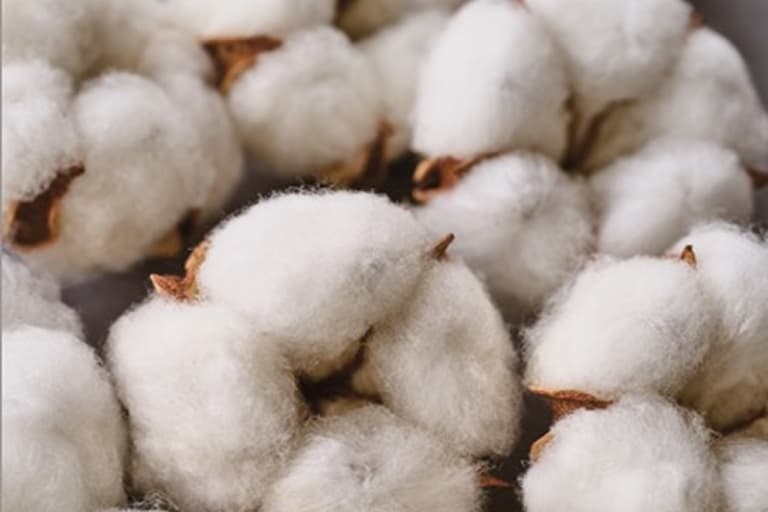
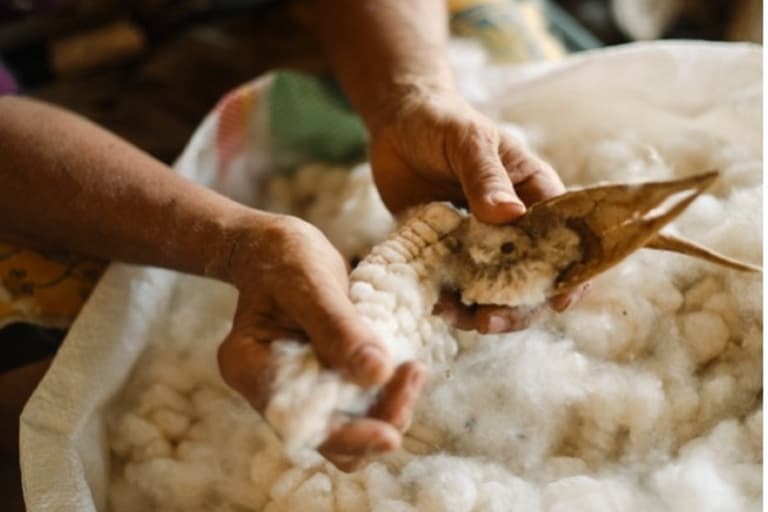
The Ryohin Keikaku Group has used organic cotton since 1999. From 2023, we have set a goal of sourcing 100% socially and environmentally responsible cotton and are working to ensure the stable procurement of sustainable cotton by adding more options, not limited to organic cotton. Cotton that the Ryohin Keikaku Group evaluates as socially and environmentally responsible includes organic cotton, 1sustainably grown cotton,2 and recycled cotton.3
Cotton is one of the few plants that can be harvested in arid regions and desert climates unsuitable for agriculture. Organic cotton is grown in accordance with the standards of organic farming methods in each region, without using pesticides that may have a significant impact on the environment and living organisms, and in soil during which a certain period of time has passed, whereby the residual components of pesticides are expected to decrease. Recycled cotton is made from fabric scraps generated during the clothing production process, as well as cotton fabric products that do not meet standards. After being sorted and ground down into fibers, they are blended with virgin cotton to be regenerated into new material. Its natural appearance is one of its defining characteristics.
1. Cotton certified under Regenerative Organic Certified (ROC), Global Organic Textile Standard (GOTS), Organic Content Standard (OCS) or an equivalent certification.
2. Cotton made in Africa (CmiA) certification, which aims to improve the living and working conditions of smallholder farmers and protect the natural environment in production regions, or an equivalent certification.
3. Cotton certified under either the Global Recycled Standard (GRS), the Recycled Claim Standard (RCS), or an equivalent certification.
Kapok
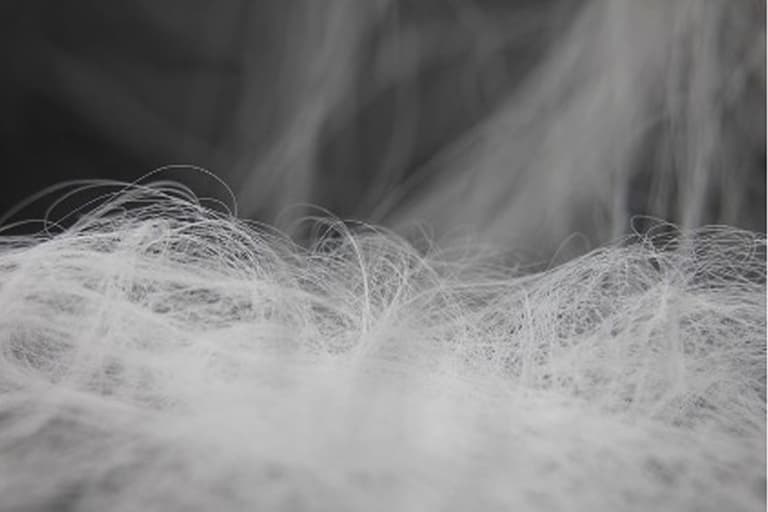
Kapok is a plant-based fiber derived from the seed pods of the kapok tree. Before petroleum-based synthetic fibers such as polyester became widely used, kapok was commonly utilized as filling material for items like pillows, stuffed toys and life jackets. Its main production regions include Indonesia, Thailand and India. Kapok trees require minimal pesticides, fertilizers or irrigation. As they grow into large trees over a lifespan of more than 70 years, they continue to absorb significant amounts of CO₂. Since harvesting the seed pods does not require cutting down the tree, kapok is gaining attention as a material with exceptionally low environmental impact.
One of kapok’s most distinctive features is its lightness and the natural functionality it offers. The hollow structure of each fiber allows it to trap air, making kapok the lightest natural fiber in the world—approximately one-eighth the weight of cotton. Kapok also helps keep you comfortable as it absorbs moisture to retain warmth in cold conditions and releases moisture to keep you cool in hot weather. Thanks to recent technological advancements, kapok can now be spun into yarn. By promoting product development that utilizes kapok, we aim to contribute to the economic development of production regions through the effective use of unused resources.
Linen
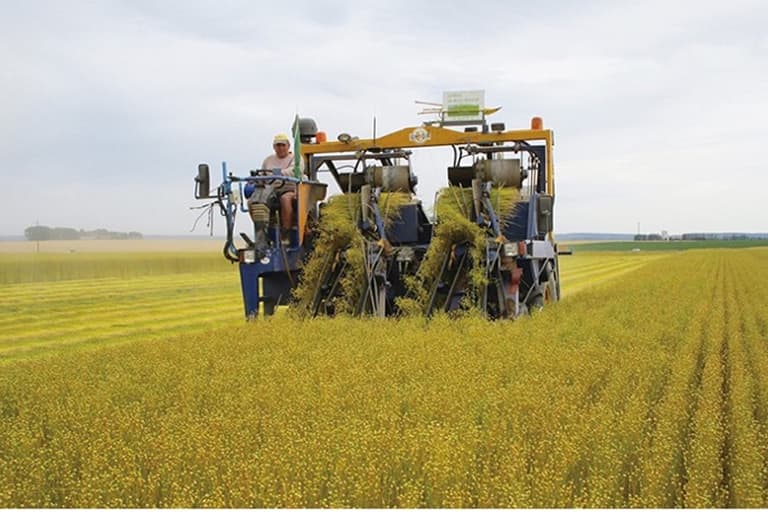
Linen is made from flax, a plant with low environmental impact as it can be cultivated using only small amounts of pesticides, fertilizers and water. In addition to its fibers, the entire flax plant can be used effectively without waste, from its seeds as linseed oil to its stems and roots as building and agricultural materials. Other benefits include its rapid growth and efficient absorption of CO2.
Hemp
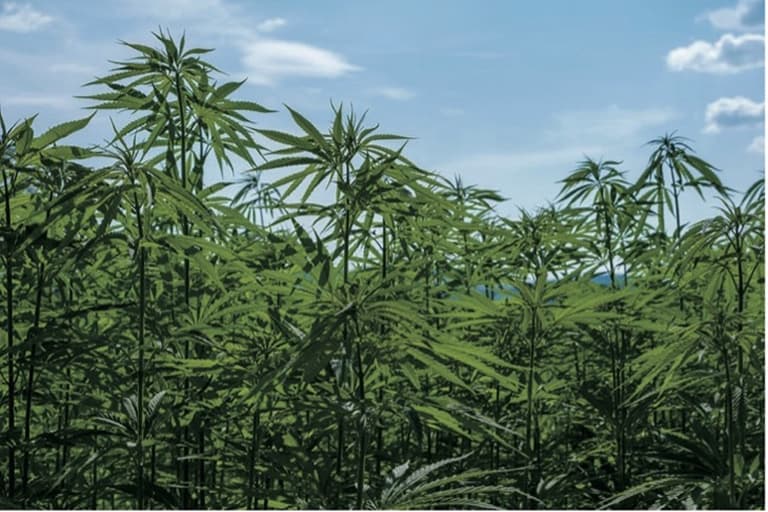
Hemp is said to be the world’s oldest cultivated crop, and its fibers have been used in Japan since ancient times for clothes, religious ropes and straps for sandals. Its seeds are said to be the easiest protein to digest and have been used for food and cosmetic oil. Hemp stems are used for construction materials and automobile interior parts.
In addition, hemp is a plant that grows rapidly, reaching nearly three meters in three months. As such, hemp absorbs CO2 efficiently. It can also be cultivated using very little fertilizer and water and requires almost no pesticides due to its resistance to pests and diseases. Therefore, hemp can be considered a material with low environmental impact. As a fabric, it absorbs and releases moisture well, is breathable, quick drying and highly durable. It is also valued for its natural antibacterial properties and UV-blocking effect. With a refreshing appearance, the texture softens and becomes more comfortable with wear.
Jute
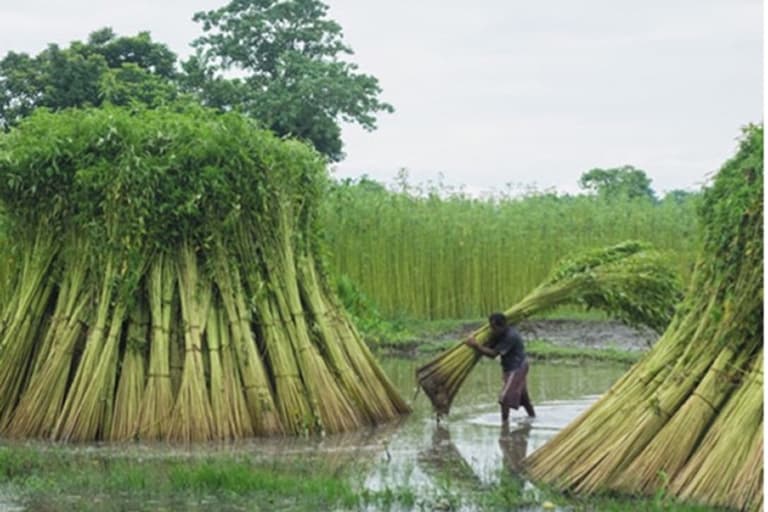
Jute has long been used for grain sacks, rugs and other items that make use of its high durability. Cultivated mainly in hot, humid wetlands in the tropics and subtropics that are unsuitable for agriculture, jute grows rapidly and absorbs CO2 efficiently. It can also be considered as having a low environmental impact since it can be cultivated using very little fertilizer and water and requires almost no pesticides due to its resistance to pests and diseases.
Ramie
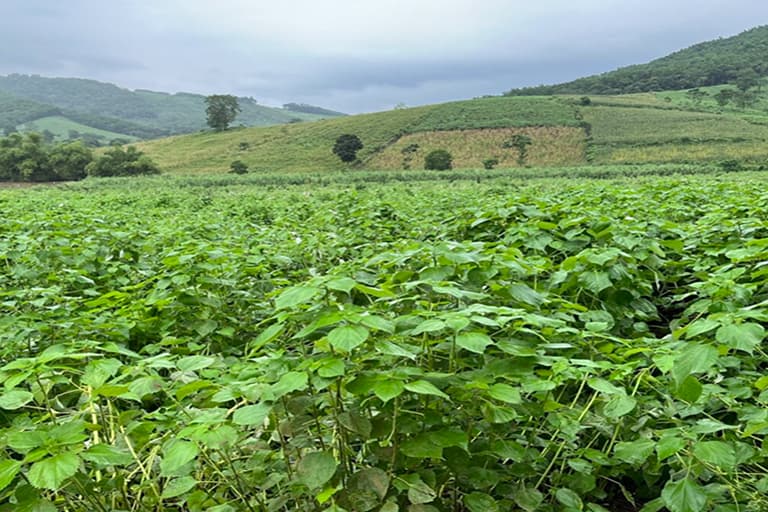
Ramie is a perennial plant (choma) that is fast-growing and can be harvested multiple times a year. The fibers derived from its stalk bark are generally processed using strong acids or alkalis during the production process. The Ryohin Keikaku Group seeks to source ramie from suppliers that minimize the solvents used in the production process to the extent possible, and that practice wastewater management in accordance with the environmental laws and regulations where the manufacturing plant is located.
Leftover Yarn and Cloth
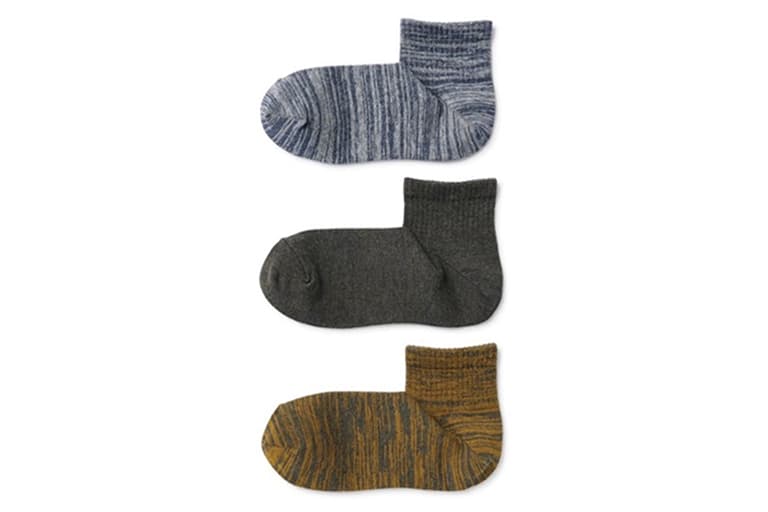
MUJI’s longstanding approach of eliminating wastefulness informs its selection of materials. In 2000, we started sales of socks made from excess yarn that had been leftover at the factory and discarded. By using leftover yarn and cloth from the manufacturing processes of our production partners, we work to reduce waste in the supply chain.
Animal-based Fibers and Materials
Feather and Down
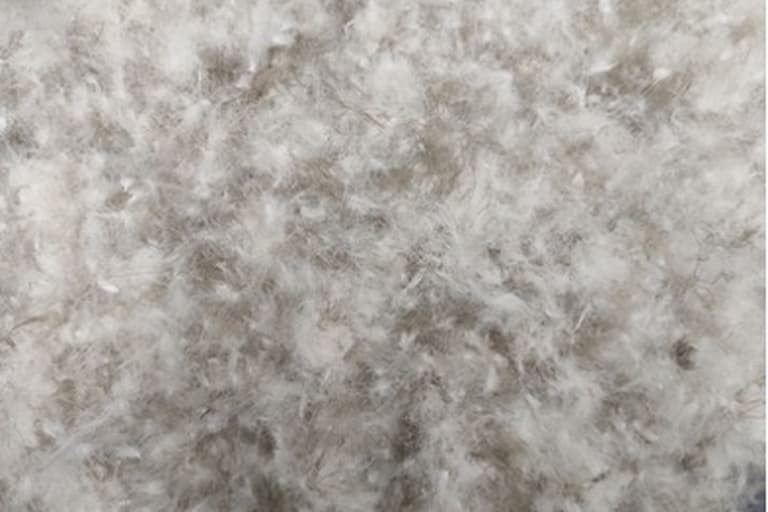
The Ryohin Keikaku Group sources only feathers that have been rigorously screened and certified2 by third-party organizations to ensure that the Five Freedoms of Animal Welfare1 are respected in the breeding environment, and that the birds have not been force-fed or live plucked. We will continue to implement this policy. In addition, we are shifting to the use of recycled down, and our goal for FY2030/8 is to source all of the recycled down we use from down that is certified under the Global Recycled Standard (GRS), the Recycled Claim Standard (RCS), or an equivalent certification.
1. The five freedoms of animal welfare are as follows: (1) freedom from hunger and thirst; (2) freedom from discomfort; (3) freedom from pain, injury, or disease; (4) freedom to express normal behavior; and (5) freedom from fear and distress (source: Farm Animal Welfare Committee (FAWC) / World Organisation for Animal Health (WOAH))
2. Down certified under the Responsible Down Standard (RDS) or an equivalent animal welfare certification.
Wool
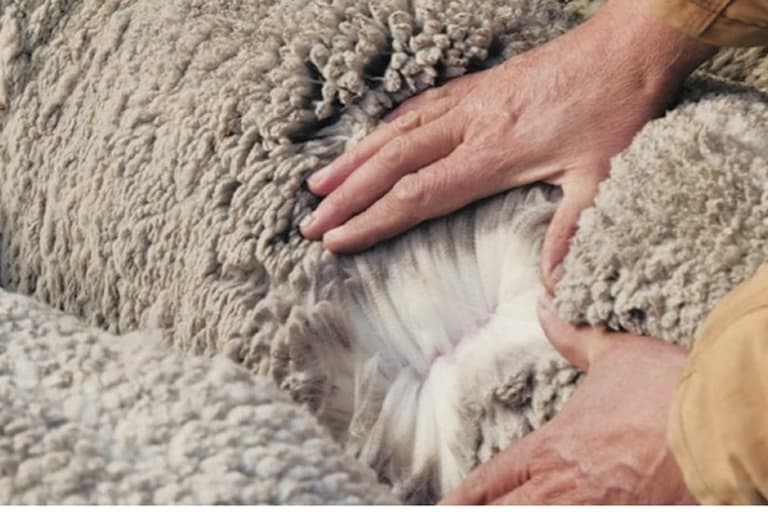
The Ryohin Keikaku Group sources wool for apparel and household goods from farms that practice animal welfare, as well as recycled wool. There are various methods of raising sheep depending on the region, but we source only non-mulesed wool for our products. Non-mulesed wool refers to wool from sheep that have not undergone mulesing, which is a special technique involving the removal of skin and flesh to prevent maggot infestation. This method is commonly used for sheep raised in particularly hot climates. When sourcing wool, we ensure that it comes from farms that do not practice mulesing.
Recycled wool is made by shredding wool products that have been discarded or collected, and then spinning the material back into yarn. It is an important material from the perspective of waste management and resource recycling. Recycled wool is characterized by its deep hue, created by the blending of multiple colors, and its rustic texture. For all recycled wool, our goal is to source wool that is certified under the Global Recycled Standard (GRS), the Recycled Claim Standard (RCS), or an equivalent certification.
Andes wool
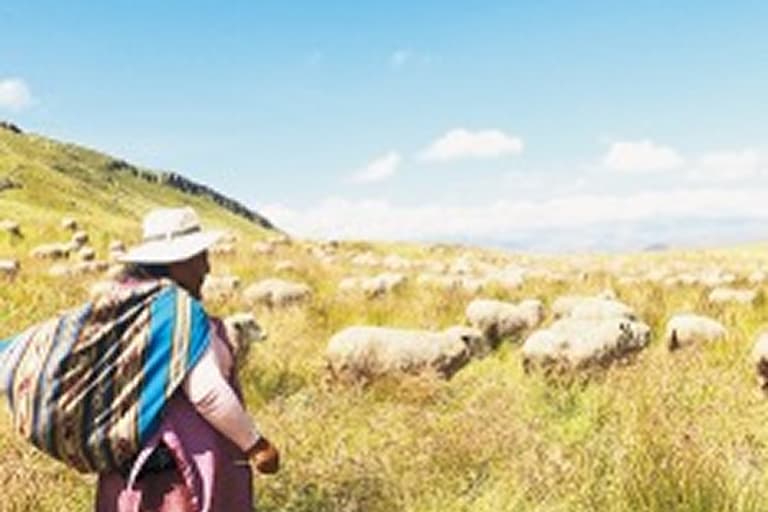
Andes wool is thick and bulky because it comes from sheep raised in a harsh, dry natural environment with temperature extremes. In the highlands of the Andes mountains, where altitudes exceed 3,800 meters, there are none of the flies that necessitate the practice of mulesing—the surgical removal of skin from the sheep’s rump. However, in Peru, one of the production areas, importing and using Merino wool has become more common in recent years, and the use of Andes wool has declined to the point where it is almost no longer used. Ryohin Keikaku is seeking to contribute to the industry in production areas by utilizing Andes wool in some of its knit products.
Cashmere
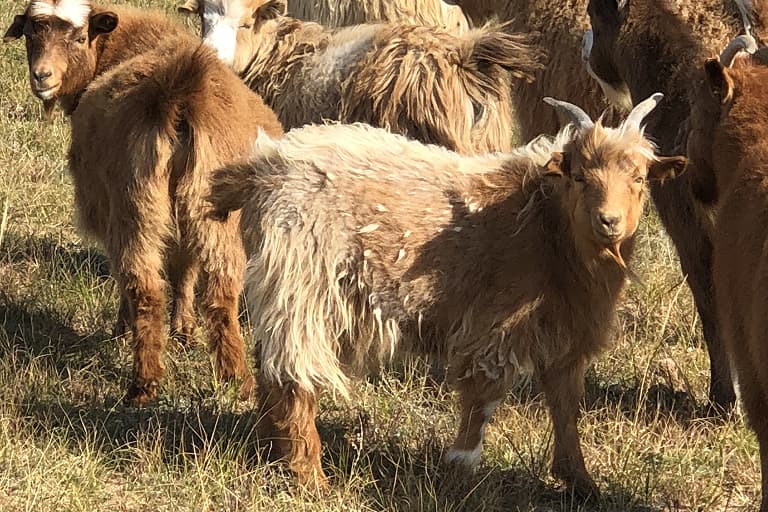
Cashmere is made from the undercoats of Kashmir goats. These goats are raised in highlands where winter temperatures fall as low as minus 30°C, and they grow a soft undercoat beneath the outer layer of hair to protect them from the bitter cold. This undercoat wool is combed out before summer when the goats start to naturally shed it.
On the Mongolian plateau, where most cashmere comes from, overgrazing of Kashmir goats has led to desertification. The Ryohin Keikaku Group has formulated a procurement policy for suppliers that stipulates animal welfare and proper management of grazing land, and sources cashmere from suppliers that agree to abide by this policy. Moreover, our employees regularly visit suppliers and pastures to confirm compliance. In addition, we are also using recycled cashmere, and by FY2030/8 we aim to source all recycled cashmere from cashmere that is certified under the Global Recycled Standard (GRS), the Recycled Claim Standard (RCS), or an equivalent certification.
Yak wool
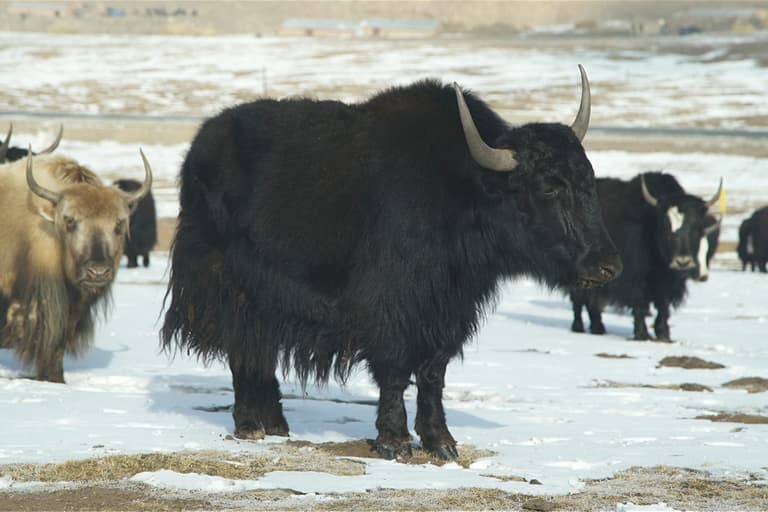
Yak wool is from the undercoat of the yak, an animal raised on the Tibetan plateau at an altitude of 3,800 meters, where winter temperatures drop as low as -20°C. To protect themselves from the bitter cold, the yaks grow a soft, insulating undercoat beneath their outer hair. This undercoat wool is combed out before summer when the yaks start to naturally shed it. The Ryohin Keikaku Group has formulated a procurement policy for suppliers that stipulates animal welfare and proper management of grazing land, and sources yak wool from suppliers that agree to abide by this policy. Moreover, our employees regularly visit suppliers and pastures to confirm compliance.
Natural Leather and Manmade Leather
For the leather used in its products, the Ryohin Keikaku Group procures only leather from livestock raised for meat. The Group aims to source all leather used in its products from suppliers that practice environmentally responsible production by FY2030/8. We define suppliers that practice environmentally responsible production as those who are certified* by a third party as properly implementing environmental measures such as chemical substance management, wastewater management and energy consumption in the leather production process.
For manmade and synthetic leather, the Group has set self-assessment criteria, including durability, the percentage of recycled materials and plant-based raw materials, and prohibited substances, and is working toward using sustainable synthetic leather.
* Silver rank or above in the Leather Working Group (LWG) certification, or an equivalent certification
Silk
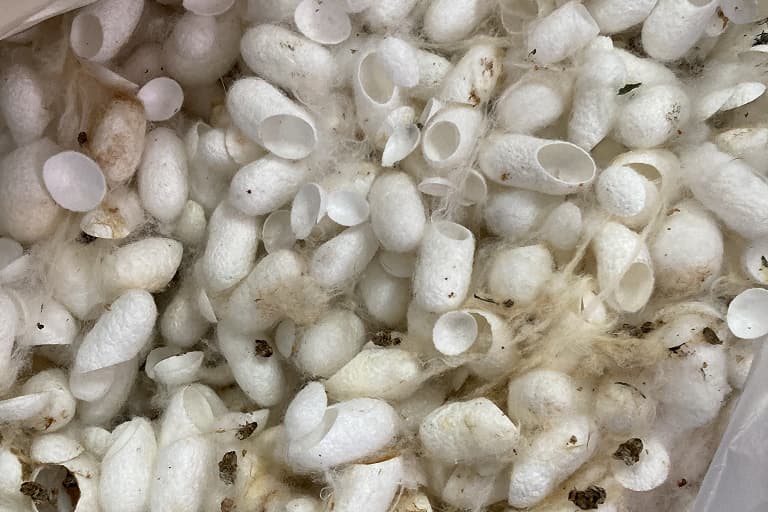
Silk is an animal-based fiber taken from the cocoon of the silkworm. Since it contains the same amino acids necessary to make human hair and skin, it is highly compatible with the skin, and has properties not found in cotton, hemp and other plant-based fibers. In accordance with the Ryohin Keikaku Group Animal Welfare Guiding Principles, the Ryohin Keikaku Group aims to procure silk that does not take the life of the silkworm.
Regenerated Cellulose Fibers
Lyocell
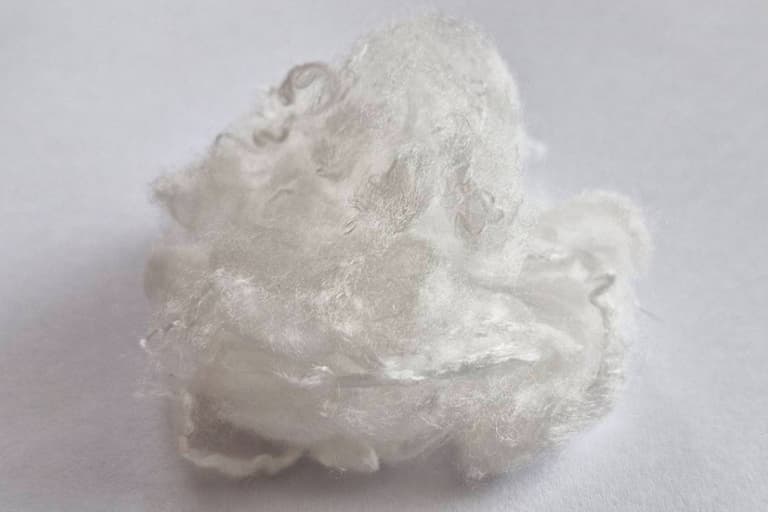
Lyocell is a regenerated cellulose fiber primarily made from wood. The Ryohin Keikaku Group aims to continue sourcing all lyocell used in its products from suppliers that use wood proven not to involve deforestation and forest degradation, and that actively work to reduce environmental impact through proper management of chemicals and wastewater during the manufacturing process.
Rayon
Rayon is a regenerated cellulose fiber primarily made from wood. The Ryohin Keikaku Group aims to source all rayon used in its products from suppliers that use wood proven not to involve deforestation and forest degradation, and that actively work to reduce environmental impact through proper management of chemicals and wastewater during the manufacturing process by FY2030/8.
Paper yarn
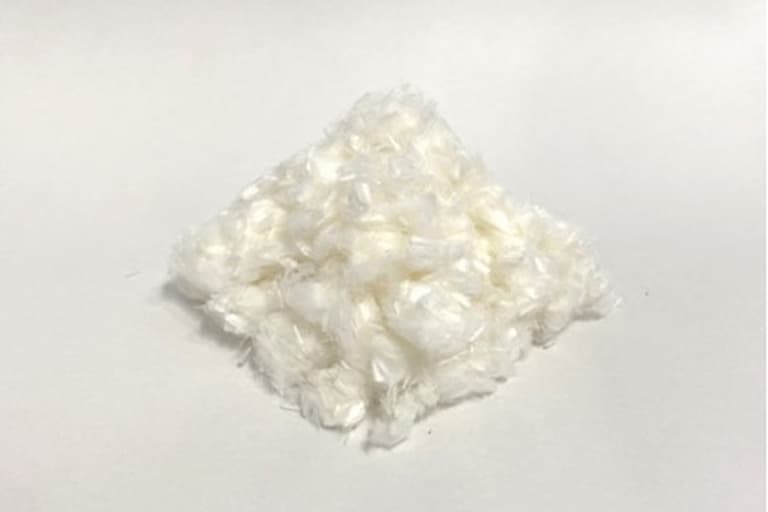
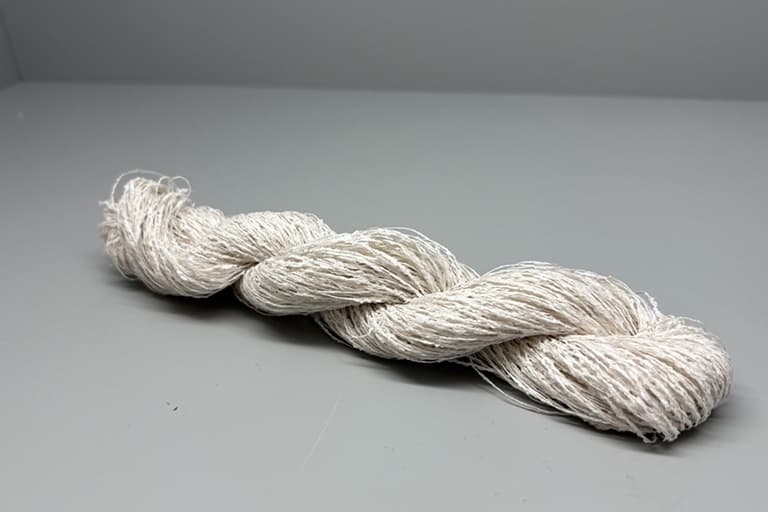
Paper yarn is made by cutting paper into thin strips and twisting them together. Strong, lightweight, and highly breathable, it provides a cool texture reminiscent of linen. In Japan, paper yarn has a long history, dating back to the Nara Period (710-794). The raw material of paper yarn is pulp, so it is made from processed plant fibers. The pulps used in paper yarn include wood pulp (mainly from coniferous trees) and non-wood pulp (Manila hemp, hemp, bamboo, and sugar cane bagasse).
In accordance with the Ryohin Keikaku Group Environmental Policy, we have set a goal for FY2030/8 of sourcing paper yarn made from wood that has been proven not to involve deforestation and forest degradation. In addition, we aim to source paper yarn made from non-wood pulp.
Synthetic Fibers
The Ryohin Keikaku Group envisions a future in which all synthetic fibers used in its products are derived from recycled or plant-based raw materials. To move toward this vision, we aim to ensure that by FY2030/8, all products using synthetic fibers incorporate materials made from recycled or plant-based raw materials. Recycled materials refer to certified* fibers such as recycled polyester and recycled nylon, which help reduce the use of fossil-based raw materials and contribute to lowering environmental impact.
Recycled polyester is mainly made from materials derived from PET bottles, while recycled nylon is made from pre-consumer recycled materials, such as discarded fibers from the yarn production process. We are also expanding the use of plant-based raw materials in synthetic fibers and developing biodegradable alternatives.
* Certified under the Global Recycled Standard (GRS), the Recycled Claim Standard (RCS), or an equivalent certification.
Plastics
The Ryohin Keikaku Group proactively collects the plastic products it sells in order to reduce the use of virgin plastic and promote resource circulation, and is aiming for 100% reuse by 2030.
Recycled plastics
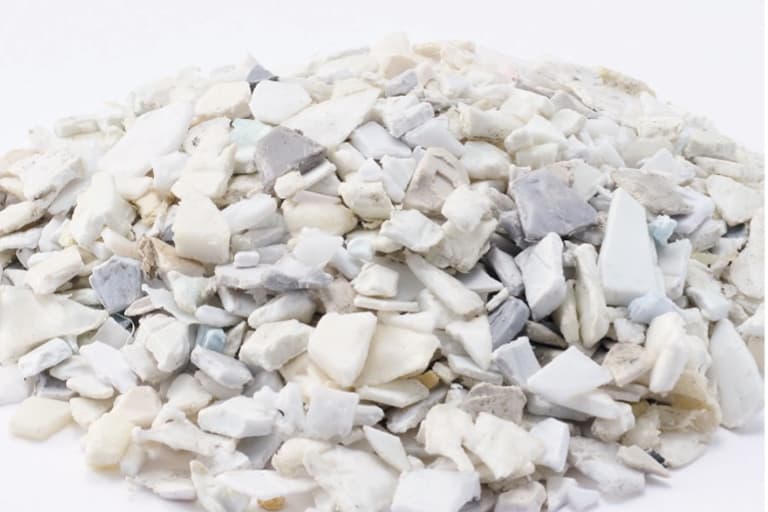
Ryohin Keikaku is taking steps to reduce the use of virgin plastic and utilize recycled materials. Our policy is to expand our lineup of products containing recycled materials, and we are conducting product development using raw materials recycled from products we collect. In addition, MUJI stores collect a wide range of plastic products, including polypropylene and polyethylene storage items and dust bins. The plastic products collected that meet our standards are resold as second-hand items, and those that do not meet our standards are shredded, cleaned and recycled.
Wood and Paper
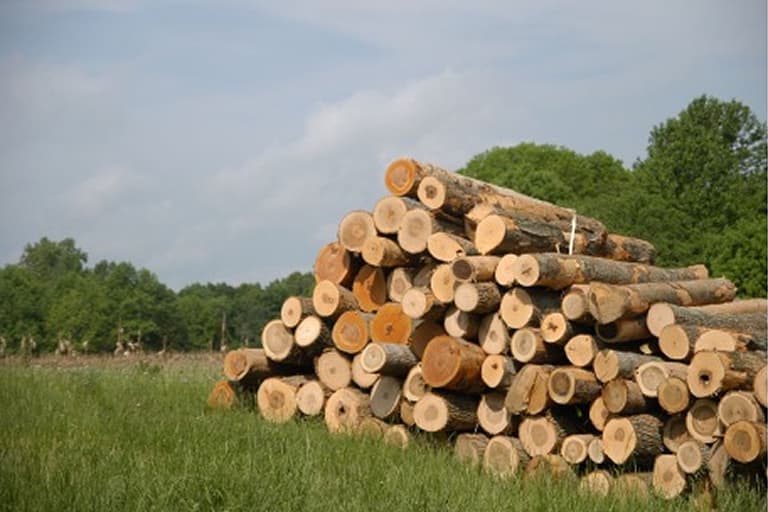
In accordance with the Code of Conduct specified in its Basic Policy on Raw Material Procurement, the Ryohin Keikaku Group will identify and evaluate the impact of human rights and environmental risks in the production stage of the supply chain to conduct sustainable and responsible sourcing of wood and paper, and establish a due diligence process for preventing and mitigating risks. We are also working toward our goal of using 100% sustainable wood and paper by 2030—either certified timber (FSC1, PEFC2and SGEC3), or materials that can be verified as sourced in compliance with environmental laws and regulations in each region, and not associated with illegal logging or deforestation. To achieve this goal, we conduct investigations into legal logging practices in compliance with environmental laws and regulations in each region, as well as self-assessments (wood due diligence) to ensure that we do not use wood associated with illegal logging or deforestation.
We adhere to the Clean Wood Act and relevant environmental regulations in all regions where we operate to ensure legal logging of our wooden and paper products. * We obtain copies of certificates such as FSC and PEFC and other official documents from the public sector, as well as purchase and transportation records, to prevent the use of illegally logged wood.
※2 PEFC: Programme for the Endorsement of Forest Certification
※3 SGEC: Sustainable Green Ecosystem Council
Development and Sales of Office Furniture Using Native Japanese Cedar
Japan is the third most forested country in the world, with forests covering 67% of its land area. By contrast, only approximately 30% of the total timber consumed in Japan comes from domestic sources. The devastation of poorly managed forests has become a major social problem.
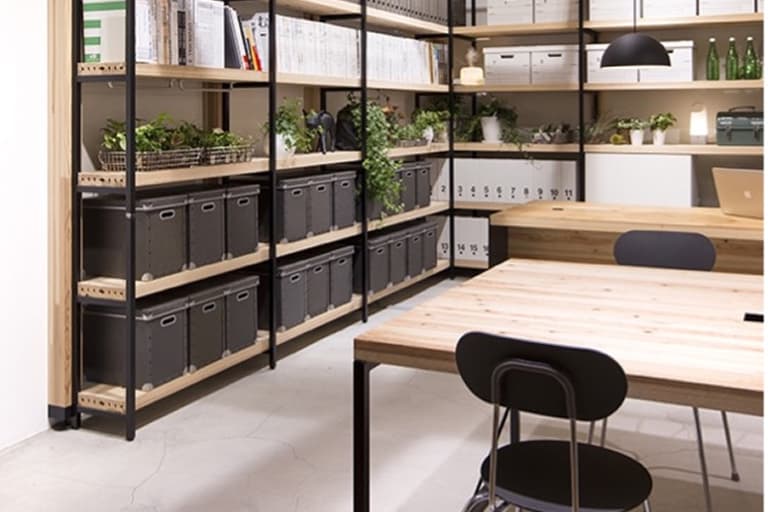
To preserve the environment of Japanese forests while stimulating the forestry industry, MUJI developed office furniture made of native Japanese cedar in collaboration with Uchida Yoko Co., Ltd., a pioneer in the development of office supplies using domestic timber, with the aim of creating pleasant workplaces. Cedar timber is generally used as a building material, and the remainder is mainly recycled into disposable chopsticks and fuel. Through collaboration with a manufacturer in Miyazaki Prefecture who developed a technology to process the remaining cedar into a panel that can be used as furniture, we succeeded in incorporating surplus materials into the furniture production line. The desktop and shelf boards that come in contact with users hands are made of cedar, and steel is used for the structural part to ensure strength. By effectively using the whole tree in our products, we have expanded the usage of domestic cedar.
Utilization of Regional and Certified Timber for Store Fixtures, Interiors and Exteriors
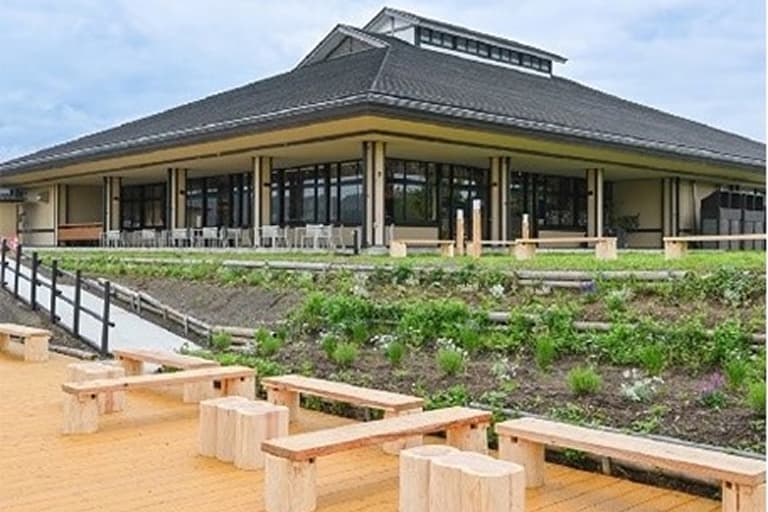
Ryohin Keikaku actively promotes the use of regional timber in the interiors and exteriors of MUJI stores. Wood has always been one of the core natural materials—along with metal and earth—that form the foundation of MUJI stores. By using natural materials such as timber for store fixtures, including shelving boards, wall materials and pillars, we create store spaces that can be enjoyed for years due to their unique aging features.
In particular, by utilizing distinctive timber grown in each region, we aim to create opportunities for visitors to reflect on the natural resources of those areas. We also procure timber directly from nearby sawmills and processing factories, carrying out everything from raw timber procurement and processing to supply regional stores within each region. Through this approach, we contribute to the development of local timber industries. In September 2024, we began using certified timber (FSC, PEFC and SGEC) for store fixtures, strengthening our commitment to responsible wood procurement.
Palm Oil
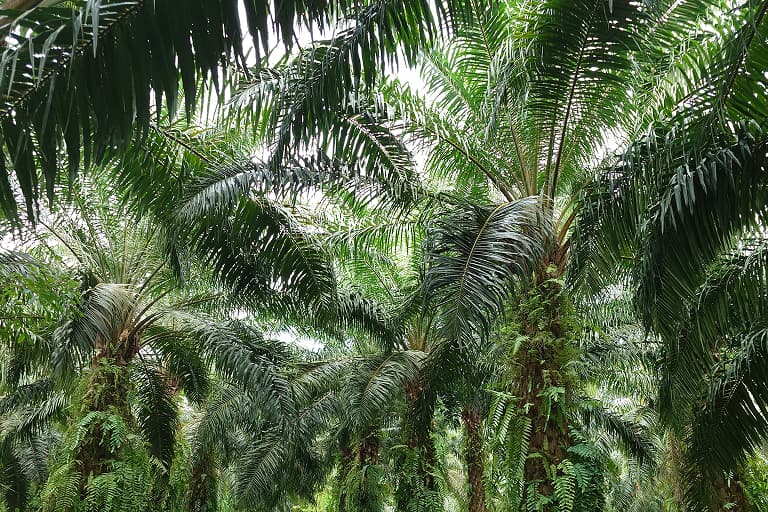
The Ryohin Keikaku Group is working to improve traceability and establish a due diligence framework with the goal of sourcing sustainable palm oil. Palm oil is used in MUJI’s cosmetics, daily necessities, and food products. To improve traceability in these supply chains, we conduct regular surveys of our major production partners, asking them to report their palm oil usage, confirm whether they hold related certifications and whether they can switch to certified oil, and provide a list of their mills (oil extraction plants). In December 2023, we became a member of the Japan Sustainable Palm Oil Network (JaSPON) to gather information and create a roadmap to facilitate the procurement of certified palm oil. Furthermore, as part of our efforts to better understand conditions in the upstream supply chain, we conducted the on-site visit of palm oil plantations and mills in 2026. Going forward, we will continue to engage in dialogue with upstream suppliers through on-site visits and other means, working to identify risks related to environmental destruction and human rights violations in production areas and to encourage corrective action.
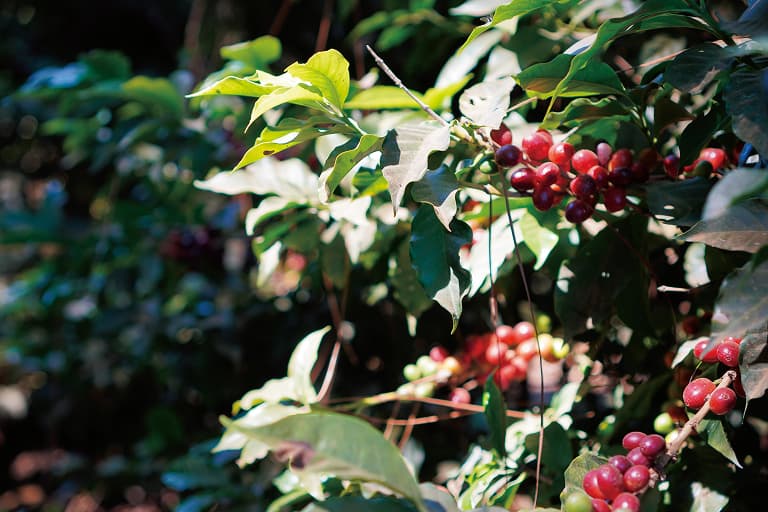
Like palm oil, coffee is a commodity with a high risk of contributing to deforestation due to the expansion of commercial production. In the EU, it is mandatory to prove that these products were produced without causing deforestation. In March 2024, Ryohin Keikaku renewed its original blend coffee series, and began offering new products developed in collaboration with the Daterra coffee farm in Brazil, which has been certified by the Rainforest Alliance.
These products make partial use of beans that fall outside standard export size specifications. Daterra has designated half of its land for nature conservation, using the area to preserve natural forests, maintain reforested land, and protect water sources. It was the first coffee farm in Brazil to receive Rainforest Alliance certification. The water used in the coffee production process is partially filtered and reused. Solar panels have been installed on the farm to supply energy for coffee production.