About MUJIThree Principles in ManufacturingAbout the Advisory BoardProduct ArchivesArchivesNewsOur BusinessesMUJI BusinessesProduct Development and RetailAccommodationsFood ServicesCommunity EngagementArchitecture and Spatial DesignOther BusinessesIDÉE BusinessesCorporate InformationMessage from the PresidentOur Corporate PurposeThe Journey of Ryohin KeikakuCorporate ProfileLocationManagementGroup CompaniesThe Ryohin Keikaku Group by the NumbersOur HistoryStore Opening DataAwardsArchivesArticlesInvestor RelationsIR NewsLatest MaterialsIR CalendarMessage to Individual InvestorsIf you Become a Shareholder...EventsShareholders Special Benefit ProgramsCompany InformationManagement PolicyCorporate GovernanceIR PolicyFinancial InformationSummary of Financial ResultsFinancial HighlightsMonthly Sales FlashCredit Ratings and BondsStock InformationBasic Stock InformationStock Price InformationShareholder StatusGeneral Meeting of ShareholdersDividends / Shareholder ReturnsAnalyst CoverageArticles of Incorporation電子公告Tax PolicyIR LibraryLatest IR MaterialsConsolidated Financial ResultsData BookFinancial Results BriefingSecurities ReportConvocation Notice and Reports of Shareholders MeetingIntegrated ReportIR Briefing SessionDisclaimerIR registrationIR FAQContact us regarding IRSustainabilityIntegrated ReportESG DataMessage from the PresidentRyohin Keikaku and SustainabilityBasic Policy and ESG Management StructureMaterial Issues and IndicatorsOur PoliciesOur Approach to Product DevelopmentTopicsSustainability NewsRespect for the EnvironmentEnvironmental ManagementResponse to Climate ChangeResource CirculationThe "Design for Circularity" Product SeriesWaste ManagementWater Resource ManagementChemical ManagementBiodiversityRaw Material ProcurementEngagement with SocietyRespect for Human RightsHuman Rights Policy and Internal FrameworkHuman Rights Due DiligenceGrievance MechanismRespect for ColleaguesHuman Capital StrategyWorkplace Safety and Employee HealthMaintaining a Positive Work EnvironmentRespect for DiversityHuman Resource Development and Career DevelopmentCo-Owned Management and EngagementBasic Policy on Harassment from CustomersSupply Chain ManagementCode of Conduct for Production PartnersMonitoring Production PartnersList of Production PartnersSupplier HotlineIndirect ProcurementCustomer Safety and Peace of MindCustomer FeedbackQuality and SafetyFood-Related Responsibilities to CustomersAs a Community Center Activities at StoresRegions and CommunitiesSocial Impact AssessmentGovernancePublic Interest and People-Centered ManagementStakeholder EngagementCorporate Governance Policy and SystemAssessment of Effectiveness of the Board of DirectorsInternal ControlComplianceRisk ManagementInformation Security and Protection of Personal InformationParticipating in InitiativesExternal EvaluationsDonations and AssistanceTopRecruitOnline StoreContactメインナビゲーションメニューを閉じるメニューを開くAbout MUJIThree Principles in ManufacturingAbout the Advisory BoardProduct ArchivesArchivesNewsOur BusinessesMUJI BusinessesProduct Development and RetailAccommodationsFood ServicesCommunity EngagementArchitecture and Spatial DesignOther BusinessesIDÉE BusinessesCorporate InformationMessage from the PresidentOur Corporate PurposeThe Journey of Ryohin KeikakuCorporate ProfileLocationManagementGroup CompaniesThe Ryohin Keikaku Group by the NumbersOur HistoryStore Opening DataAwardsArchivesArticlesInvestor RelationsIR NewsLatest MaterialsIR CalendarMessage to Individual InvestorsIf you Become a Shareholder...EventsShareholders Special Benefit ProgramsCompany InformationManagement PolicyCorporate GovernanceIR PolicyFinancial InformationSummary of Financial ResultsFinancial HighlightsMonthly Sales FlashCredit Ratings and BondsStock InformationBasic Stock InformationStock Price InformationShareholder StatusGeneral Meeting of ShareholdersDividends / Shareholder ReturnsAnalyst CoverageArticles of Incorporation電子公告Tax PolicyIR LibraryLatest IR MaterialsConsolidated Financial ResultsData BookFinancial Results BriefingSecurities ReportConvocation Notice and Reports of Shareholders MeetingIntegrated ReportIR Briefing SessionDisclaimerIR registrationIR FAQContact us regarding IRSustainabilityIntegrated ReportESG DataMessage from the PresidentRyohin Keikaku and SustainabilityBasic Policy and ESG Management StructureMaterial Issues and IndicatorsOur PoliciesOur Approach to Product DevelopmentTopicsSustainability NewsRespect for the EnvironmentEnvironmental ManagementResponse to Climate ChangeResource CirculationThe "Design for Circularity" Product SeriesWaste ManagementWater Resource ManagementChemical ManagementBiodiversityRaw Material ProcurementEngagement with SocietyRespect for Human RightsHuman Rights Policy and Internal FrameworkHuman Rights Due DiligenceGrievance MechanismRespect for ColleaguesHuman Capital StrategyWorkplace Safety and Employee HealthMaintaining a Positive Work EnvironmentRespect for DiversityHuman Resource Development and Career DevelopmentCo-Owned Management and EngagementBasic Policy on Harassment from CustomersSupply Chain ManagementCode of Conduct for Production PartnersMonitoring Production PartnersList of Production PartnersSupplier HotlineIndirect ProcurementCustomer Safety and Peace of MindCustomer FeedbackQuality and SafetyFood-Related Responsibilities to CustomersAs a Community Center Activities at StoresRegions and CommunitiesSocial Impact AssessmentGovernancePublic Interest and People-Centered ManagementStakeholder EngagementCorporate Governance Policy and SystemAssessment of Effectiveness of the Board of DirectorsInternal ControlComplianceRisk ManagementInformation Security and Protection of Personal InformationParticipating in InitiativesExternal EvaluationsDonations and AssistanceTopRecruitOnline StoreContactメインナビゲーションメニューを閉じるメニューを開く
Ryohin Keikaku is building a platform for realizing a truthful and sustainable society in each region.Our stores aim to support the foundations of daily life as community centers, and seek to be an integral part of the regions in which they operate.We are engaged in a variety of projects in regions and communities throughout Japan, both in our stores and in local areas at large, and by helping to address local challenges and revitalize regions we will design sustainable communities.To drive these initiatives forward, we established a dedicated division, and based on our role as a company that is essential in supporting social common capital,* Ryohin Keikaku aims to create a system for realizing public good and mutual assistance in society and a situation where the economy, culture and the environment are organically connected.
* The concept that the natural environment and social institutions are capital that make it possible for all people in a country or a specific region to lead a prosperous, economically stable life, and to maintain an appealing, stable and sustainable society.
Construction and Spatial Design
We consider the whole town as “the place where we live,” and design spaces in diverse areas while making use of local resources. What we value most is material selection that takes into consideration the natural environment and regional resource circulation, architectural design that incorporates many natural materials such as wood, iron and earth walls, and the process of co-creation for spaces that users will continue to feel attached to after they leave. We are involved in a wide range of building operations, from the design and construction of large-scale wooden structures to sales of detached houses, apartment renovations, the design of offices, public spaces and residential facilities, and the design of office fixtures and other products suited to these spaces. In terms of public space projects, we will utilize wood in the design of train stations, childcare facilities, parks, community gathering spots, schools and other public spaces to make them feel more open, while establishing networks with local residents and local businesses. To do that, we will create teams with the various stakeholders involved—the people who make, operate and use these spaces. These teams may also include creators with ties to the region, and we will conduct field surveys to design spaces that can adapt to social and environmental changes. We are involved in the entire process up to completion, including concept creation, interior design, signage planning, design of built-in furnishings and coordination of fixtures and furniture. Moreover, we place importance on wooden spaces that make use of local resources in fixtures, furniture and interior materials.
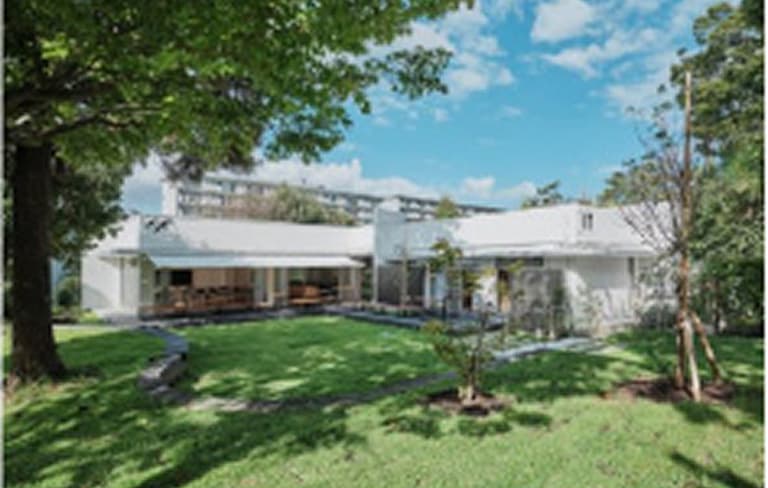
Public space projects that utilize wood Roadside Station Komoriuta-no-Sato Itsuki Tourist area
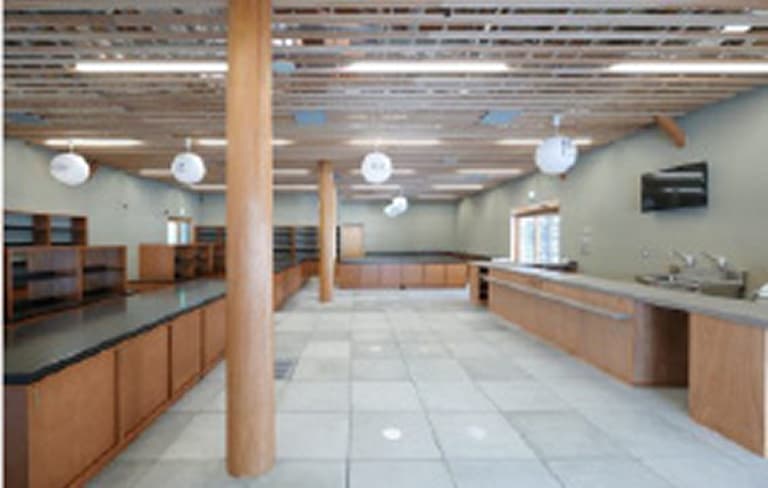
Apartment complex/building renewal business Konandai Kamome Danchi Meeting Place Renovation
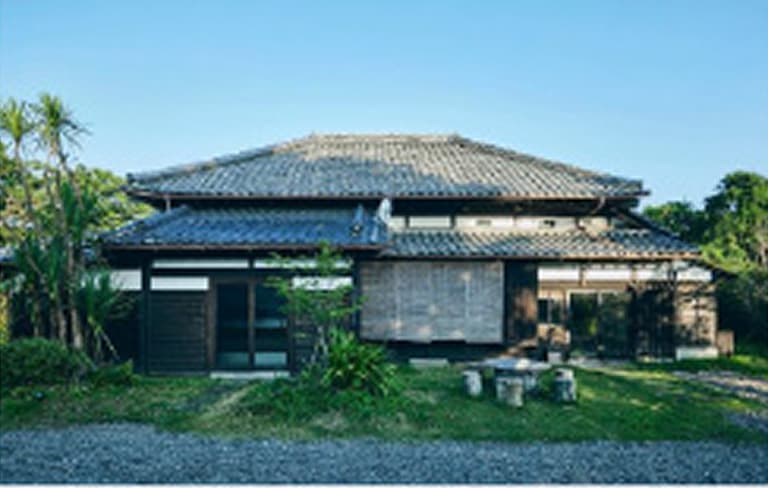
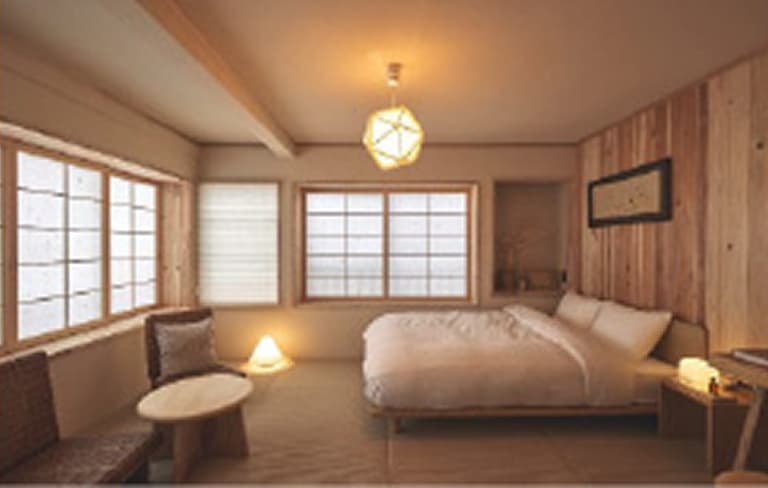
MUJI STAY is an initiative for rethinking what lodging facilities and houses can be and transforming lifestyles themselves by redefining the concept of “living." By leveraging idle assets, we aim to create multiple places to stay where people can lead the lives they want, whether in the city or the countryside, in Japan or overseas. MUJI STAY includes MUJI HOTEL, a facility wholly produced by MUJI; MUJI BASE, in which MUJI utilizes abandoned properties and manages them itself; MUJI room, in which we renovate all or part of existing hotels, ryokans (Japanese-style inns), vacation rental properties, and other accommodations; and MUJI Camp, a campsite for enjoying nature that takes advantage of regional characteristics. Starting with our stores located throughout Japan, we incorporate regional materials, techniques and experiences based on the natural features, culture and customs of the region so that people visiting can discover the charms of the region. At the same time, we provide spaces and daily necessities with a consistent design philosophy so that guests can enjoy a stay that feels like a natural extension of their daily lives, in any region and living environment. By building deeper connections with regional environments and the world, and working with local people to bring out the potential of those areas, we will enable visitors to experience another way of living that feels seamlessly connected to the region.
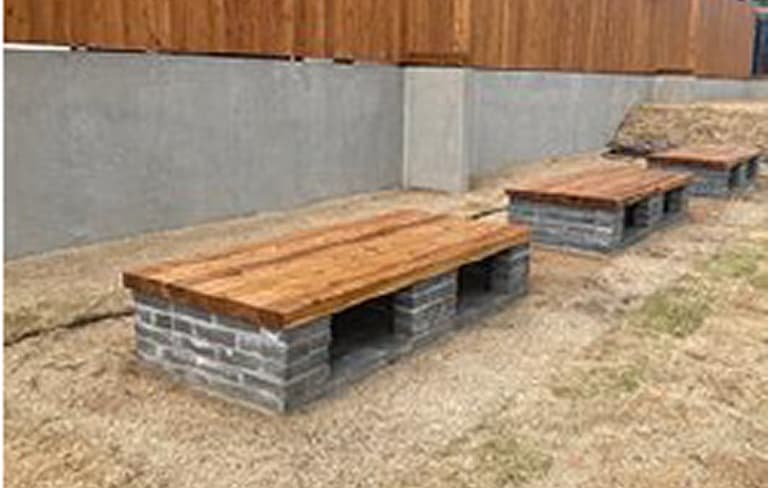
“Always ready for emergencies”—that is the concept behind ITSUMO MOSHIMO, a project aimed at raising the disaster awareness of society as a whole by incorporating preparedness into everyday life. As part of the project, we are conducting educational activities that are open to people of all ages. These activities include ITSUMO MOSHIMO Caravan and disaster prevention workshops and events held in collaboration with local governments, with the aim of using familiar daily necessities and food products to ensure that people are always equipped with the knowledge and items they need so that they can confidently say, “I'll be okay, even if a disaster occurs.” In addition, in August 2024 we used the opening of MUJI Karatsu and MUJI Hita as an opportunity to conclude cooperation agreements on regional disaster prevention with the cities of Karatsu (Saga Prefecture) and Hita (Oita Prefecture). In the event of a disaster in either city, we will provide disaster supplies (kamado benches, manhole toilets and charging stations for electronic communication devices) through our stores. During emergencies, we will strive for the early recovery of store operations to quickly make store products available for purchase by the residents of each city. Through these initiatives, Ryohin Keikaku is aiming to enhance the disaster preparedness of whole regions by fostering seamless collaboration between communities, businesses and governments.
We operate Shokoku Ryohin, a direct-from-the-farm service that connects regional producers with customers. The goal is to get customers to think about the producers and production sites, and to take a fresh look at their relationship with them. Through this service, we deliver local foods, items produced in small quantities, and limited-time products directly from the production area, along with information about the producer.
Previously, these items did not reach customers, despite being good products, due to hurdles such as lack of sales channels and the inability to meet the volume and quality levels required for wholesale selling to large companies. These products are offered through our online store and at certain MUJI stores. In September 2024, we expanded Shokoku Ryohin by launching a website dedicated to the MUJI Furusato Nozei (“hometown tax”) program, a government initiative in which people can donate part of their tax payments to a town of their choice, and receive “thank you” gifts from that locality. To encourage more customers to purchase these products and promote support for producers, Ryohin Keikaku introduced a hometown tax payment mechanism in partnership with Trust Bank, Inc., which plans and operates Furusato Choice, a comprehensive hometown tax payment website. By using this mechanism to make it easy for customers to obtain the goods offered through Shokoku Ryohin, we will enable people to support the hometown they were born in, or any municipality in Japan.
ATELIER MUJI is an activity that began with the concept of “a workshop where you can go back to the basics of life and find hints for moving forward into the future.” As a reflection of Ryohin Keikaku’s vision of creating cultural crossroads, we organize various events on themes such as art and design, and hold exhibitions at the gallery inside MUJI Ginza as well as online.
ATERIER MUJI
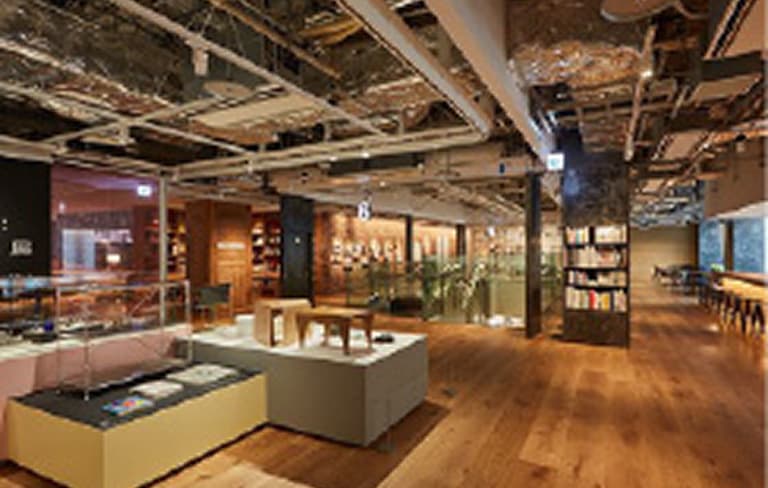
ATELIER MUJI GINZA on the sixth floor of MUJI Ginza is Ryohin Keikaku’s first multi-purpose facility for design and culture. It consists of five spaces: two galleries for the exhibitions featuring craftwork and design; a salon where people can talk over delicious coffee or drinks; a library with books related to design and the arts; and a lounge for events and workshops. Our aim is to create a place where people can take a rest, drink, read old books, and, of course, have conversations about design and life through hands-on exhibitions and gatherings.
Ryohin Keikaku seeks to create “a truthful and sustainable life for all,” and is involved in a variety of initiatives led by local governments and community members to revitalize local areas. Working with local governments, we implement measures that benefit people in the area by co-creating new value such as local production for local consumption, creation of jobs and community development.
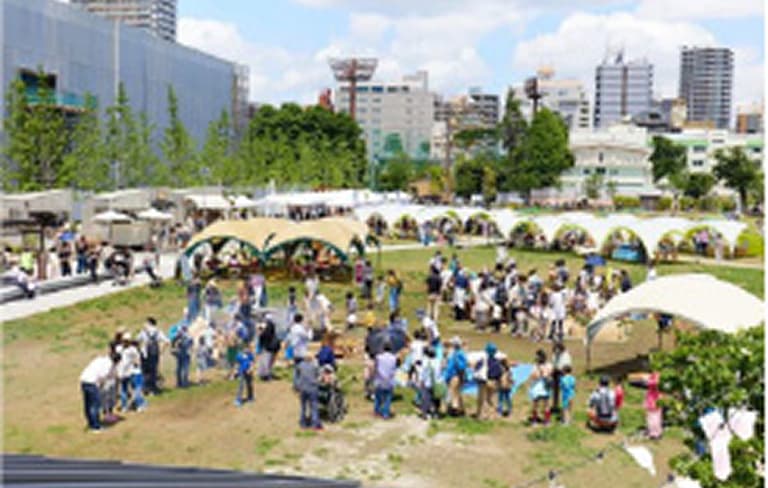
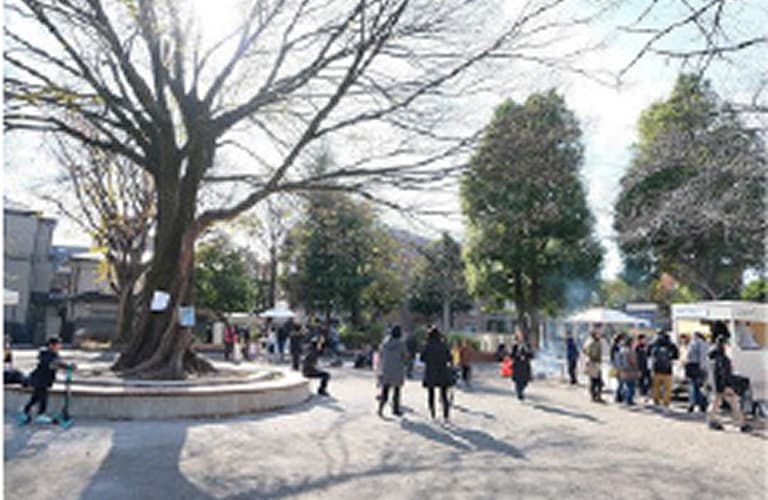
In 2017, we signed a partnership agreement for community development with Toshima Ward in Tokyo. As the area has small- and medium-sized parks, we are carrying out a collaboration under the theme of “Creating parks that grow with the community.” The collaboration includes revitalizing neighborhoods, including through the organization of street markets and regular meetings with local residents. In December 2019, in response to community feedback, Nishisugamo Nichome Park and Agariyashiki Park facilities were renovated. In addition, we are starting to experiment with new ways to utilize the parks, such as hosting mobile PARK TRUCK cafes and libraries.
Kamogawa, Chiba Prefecture Agreement for Local Revitalization
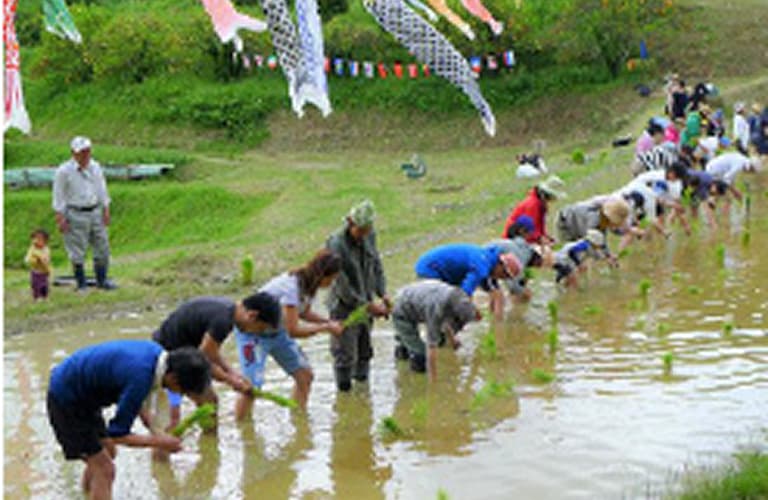
The Kamogawa Satoyama Trust project was launched in 2014 in Kamanumakitashuraku, Kamogawa City. Since then, we have been conducting various activities to establish connections between local residents and MUJI customers living in urban areas. As one example, in 2016 we started selling sake (Japanese rice wine) brewed from rice grown in the Oyama area of the city. These activities led to the signing of an Agreement on the Promotion of Local Revitalization with the city of Kamogawa in April 2017.
We are operating the city’s multi-purpose terminal, Sato-no-MUJI Minnaminosato, as the designated manager. In collaboration with local producers and companies, we are continuing our efforts to improve the direct sales of agricultural products and various other local products. At the development studio set up in the same facility, we are actively engaged in research, development and branding of processed products using Kamogawa’s agricultural products in cooperation with producers, related organizations and companies. The theme is promoting the 6th industrialization,* and thereby adding more value to agricultural products through our collaboration.
* Developing the economy of rural communities
Kumamoto City, Kumamoto Prefecture Cooperative Agreement for Realizing a Sustainable Society through Water
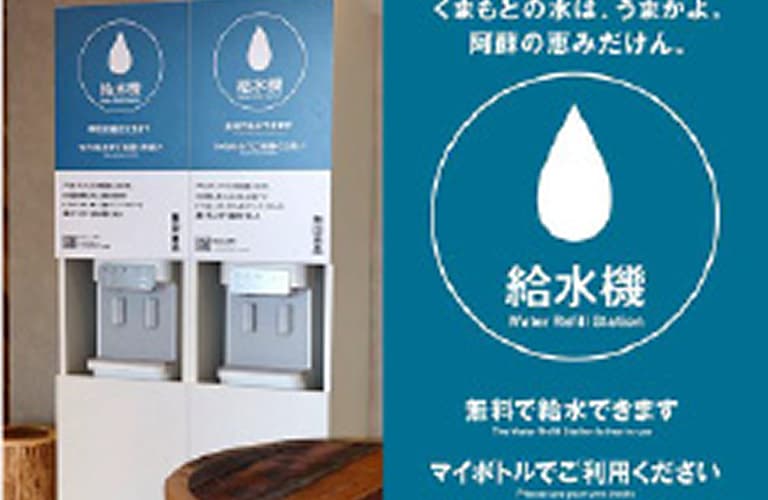
Ryohin Keikaku is committed to promoting the recycling of natural resources and the reduction of waste.By focusing on “water,” an essential and familiar part of our daily lives, we hope to create more opportunities to think together with our customers about the environment and health.Kumamoto City is well-known and acclaimed as a world-class groundwater city that uses natural groundwater for all of its water supply.Ryohin Keikaku recognizes the city’s efforts to conserve groundwater, and signed a partnership agreement with Kumamoto City in May 2021 with the aim of achieving a sustainable society through water.
Product Development That Utilizes Local Resources
With its stores acting as community centers, Ryohin Keikaku cooperates with local residents and governments in activities aimed at contributing to regional revitalization, including local production for local consumption, job creation and community development. In September 2021, we established regional divisions to carry out locally based initiatives, including conducting our own product development in cooperation with local producers and processing companies.
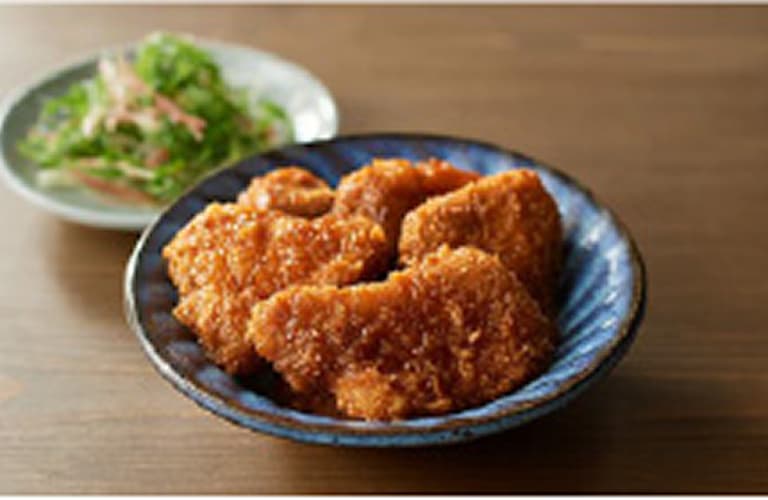
Fried Hokkaido yellowtail
In April 2025, based on an idea proposed by the Hokkaido Business Division, we developed frozen foods using yellowtail, which is only consumed in small quantities in Hokkaido.The yellowtail catch has been increasing in Hokkaido in recent years.One reason for this is that sea water temperatures are rising due to the warming climate, and the habitat of yellowtail, which prefer the warmer waters, has shifted northward, leading to a growing yellowtail population in the ocean around Hokkaido.
However, in the food culture of Hokkaido, salmon and cod have been most popular, and since yellowtail was a relatively unfamiliar fish, consumption was low compared with its catch. This resulted in food loss and other problems. As a solution to this regional food-related issue, we developed a frozen food product that uses yellowtail from Hokkaido.Yellowtail from Uchiura Bay in southern Hokkaido is fried to create a product that lets people enjoy the tender yellowtail meat.Through the development and sale of fried Hokkaido yellowtail, we want to contribute to effective use of local resources and reduction of food loss by increasing consumption of this fish in Hokkaido, and in the process create a new food culture and raise awareness of the changes in the marine environment.
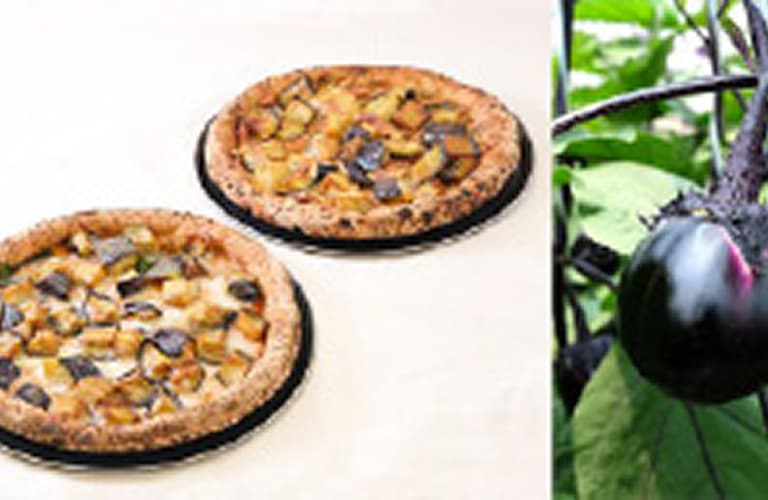
Frozen pizza with eggplant
In December 2024, the Kyoto-Nara Business Division teamed up with Sayu S.p.A., a company that excels in manufacturing pizza, to develop a product using Yamatomaru eggplant from local producers, mainly Peach Farm Nakanishi (representative of the Marusan Shippers Association) and created a frozen pizza using this ingredient.
The Yamatomaru eggplant, a traditional vegetable of Nara Prefecture, has not been widely distributed, in part because producers are aging, and it has been sold mostly to upscale establishments such as French and traditional Japanese restaurants in Kyoto and Tokyo in the summer. Consequently, it was not available much within Nara Prefecture.Product development was done jointly because the desire of producers to make Yamatomaru eggplant more widely available was compatible with our efforts to promote local production for local consumption and reduce food loss.